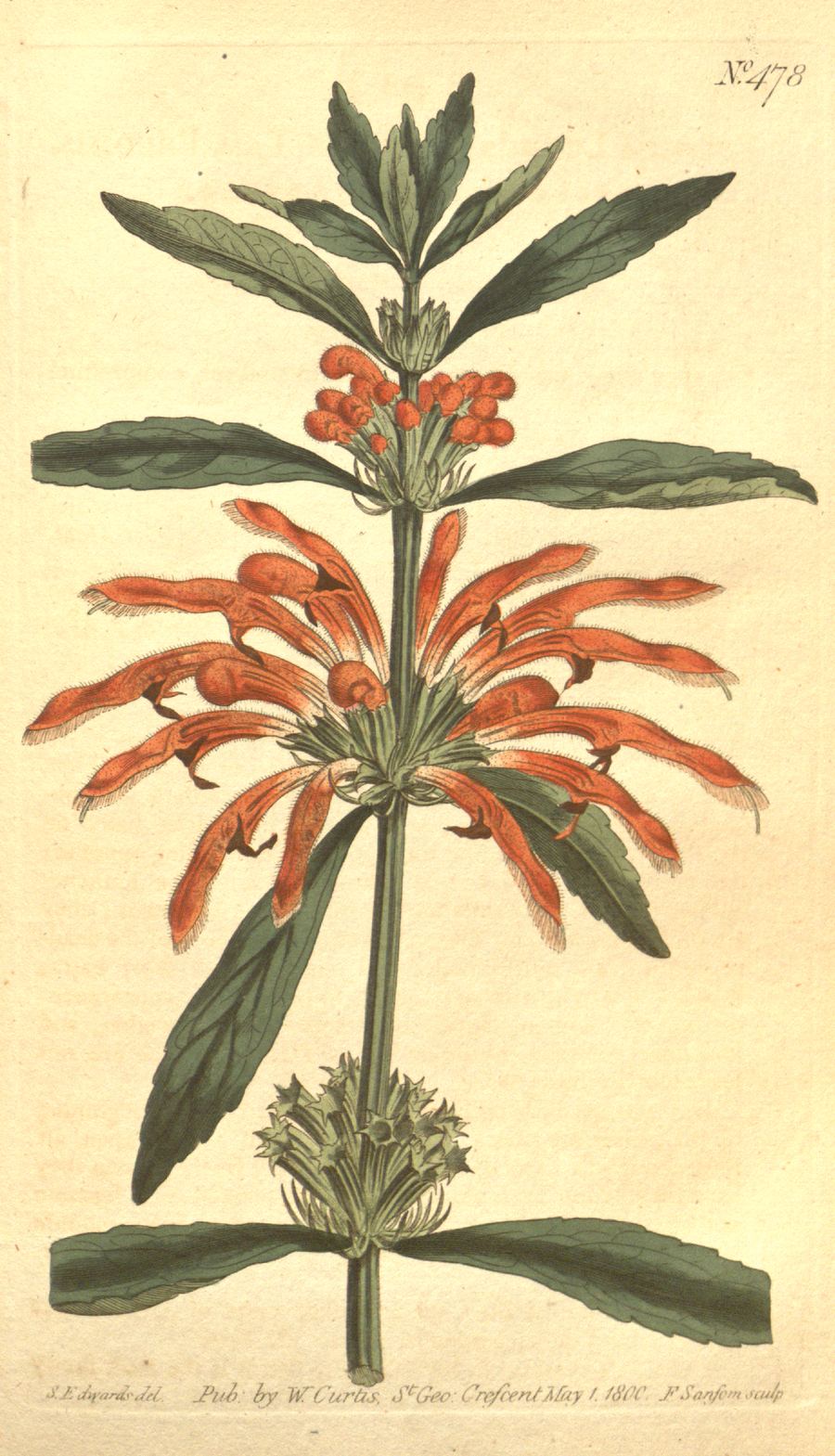
Wild dagga (lion's ear)
Leonotis leonurus
Herbs & Roots. African.
Also called Lion's ear, Lion's tail, Wild cannabis
Strong purgative; little safety dataWild dagga is a tall plant with orange flowers from southern Africa, used in traditional medicine for headaches, cramps and seizures.
Did you know? Dagga is the South African word for cannabis. Wild dagga gets its name from its cannabis-like use, but it is a mint-family plant with no botanical link to cannabis.
What it may help, and how strong the proof is
- Nerve health. Used for epilepsy in traditional medicine. Early South African lab and animal work has looked at seizure effects, but no human trials were found.See the research: No trials in people found yetTraditional proof
- Pain & headaches. Used for headaches and body aches. People have not been studied, and no trials have tested it for pain.See the research: No trials in people found yetTraditional proof
- Muscles & exercise. Traditional healers use it for muscle cramps. No trials have tested it in people.See the research: No trials in people found yetTraditional proof
Parts of the body
Traditional use
Healers in southern Africa used leaf teas and tinctures for headaches, muscle cramps, skin problems and epilepsy. The dried leaves and flowers were also smoked as a cannabis substitute.
How it is classified
- Herbal actions
- Nervine, Antispasmodic, Analgesic. Energy: neutral.
How people take it
Leaves and flowers are simmered as a tea or decoction. Tinctures are sold online. No proven dose exists. Traditional sources call the leaf decoction a strong purgative, so start with a very small amount.
Decoction, tea and tincture.
Where to get it
Grows wild on grassland and roadsides in southern Africa, and is grown in gardens elsewhere. Sold as dried herb, tea and tinctures in African and online herb shops. Smoking it harms the lungs and is not a safe way to use it.
Be careful
Traditional sources call the leaf decoction a strong purgative, so it may cause diarrhea, cramps and dehydration. Smoking the leaves or flowers can harm the lungs. No human safety studies were found, so people taking sedatives or seizure medicines should check with a doctor first.
Avoid if: pregnancy; breastfeeding; children under 12.
Mixing with other things
- Use cautionSleep or anxiety medicine (Ambien, Xanax, Ativan)
Early animal work looked at calming and seizure-blocking effects. These could add to sedatives or sleep medicines. Human data are missing.
- Use cautionAlcohol (beer, wine, spirits)
Alcohol adds to the drowsiness.
- Worth knowingDiabetes medicine (metformin, insulin, glipizide, Ozempic)
Lab and animal work on related Leonotis species suggests possible blood sugar lowering, so it could add to diabetes medicines. Human data are missing.
Adds up with others that can make you drowsy: , , , , , , , , , , , , , and 19 more.
The honest take
Wild dagga has a long history in southern African healing, especially for headaches, cramps and seizures. Most research is from lab and animal studies, and human safety data are missing. Its name links it to cannabis, but it is a different plant, and smoking it is not a safe way to use it.
Sources
Each “See the research” link opens PubMed, the U.S. National Library of Medicine's index of medical studies, showing only trials and reviews done in people. The number tells you how much a use has been tested, not whether it worked. The proof rating tells you that.
Study counts checked October 2026.