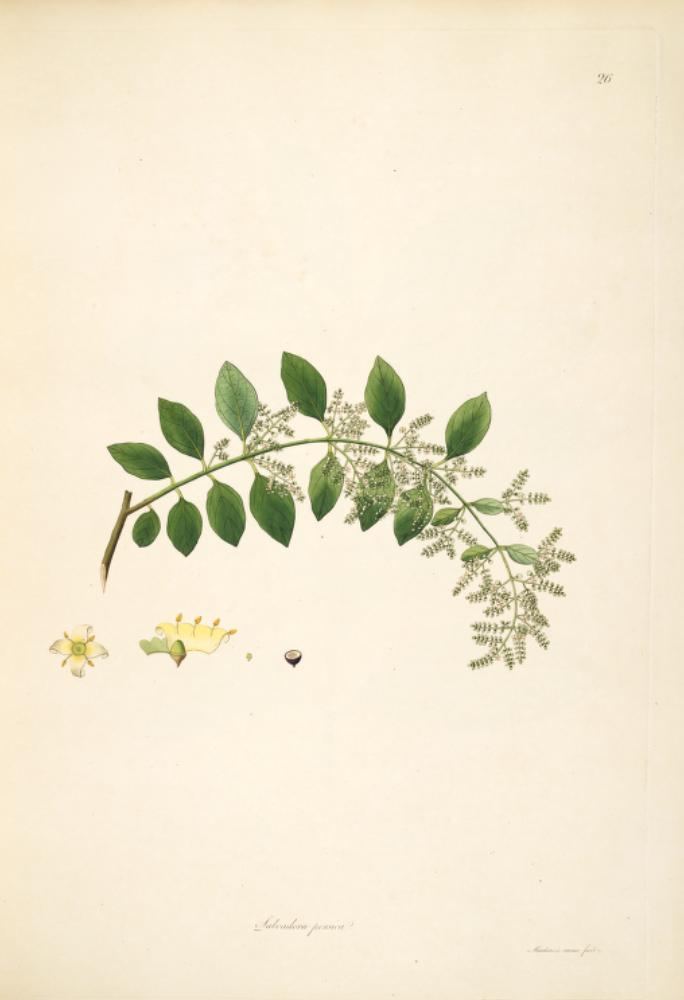
Miswak (tooth stick)
Salvadora persica
Herbs & Roots. Middle Eastern & Unani and African.
Also called Siwak, Arak tree, Toothbrush tree, Pilu
Rough use can wear gumsMiswak is a chewing stick cut from the roots and twigs of the arak tree, and its frayed fibers are used to clean teeth and gums.
Did you know? Miswak has a long place in Islamic tradition, where it is linked to a famous saying attributed to the Prophet Muhammad, and many people still use it before daily prayers.
What it may help, and how strong the proof is
- Mouth, gums & teeth. Several small trials and a review compare miswak with toothbrushing for plaque and gum health. In the short term, miswak brought plaque and gum scores close to the level of a toothbrush, but the trials are small and short.See the research: 39 studies in peoplePromising proof
- Infections. Lab studies show that miswak extracts slow the growth of some mouth bacteria. This has not been proven to prevent cavities in people.See the research: 30 studies in peopleTraditional proof
- Mouth, gums & teeth. Used to freshen breath for generations. One small registered trial posted results showing no significant change in breath odor, and no published trial has been found.See the research: 39 studies in peopleTraditional proof
Parts of the body
Traditional use
For centuries, people across the Middle East and Africa have chewed miswak to clean teeth, freshen breath and firm gums. It is still a common daily tool in many homes.
How it is classified
- Herbal actions
- Antimicrobial, Astringent. Energy: neutral.
How people take it
Chew one end until the fibers are soft, then brush the teeth and gums gently, usually once or twice a day. Many dentists still advise fluoride toothpaste and flossing, so miswak works best as an extra.
Topical and powder.
Where to get it
Sticks come from the roots and twigs of the arak tree, which grows in dry, salty soils across the Middle East, North Africa, South Asia and East Africa. Dried sticks are sold in stores, markets and online, and miswak powders and toothpastes are also sold.
Be careful
Miswak is generally well tolerated. Chewing hard or brushing with force can wear enamel and scrape the gums, and rough brushing is a known cause of gum recession. Allergy is rare. Rinse the stick, let it dry, and cut off the frayed end as it wears down.
Avoid if: allergy to miswak.
Mixing with other things
- Works well together
Neem twigs are another traditional chewing stick for oral care.
The honest take
Miswak is a traditional, low-cost way to clean teeth, and many people use it every day. Trials are small and short, so it is not proven to replace brushing with fluoride toothpaste. Use it gently, since rough chewing or scrubbing can wear the gums and enamel.
Sources
Each “See the research” link opens PubMed, the U.S. National Library of Medicine's index of medical studies, showing only trials and reviews done in people. The number tells you how much a use has been tested, not whether it worked. The proof rating tells you that.
Study counts checked October 2026.