Hoodia
Hoodia gordonii
Herbs & Roots. African and Modern nutrition.
Also called Bushman's hat, ǁhoba, Ghaap
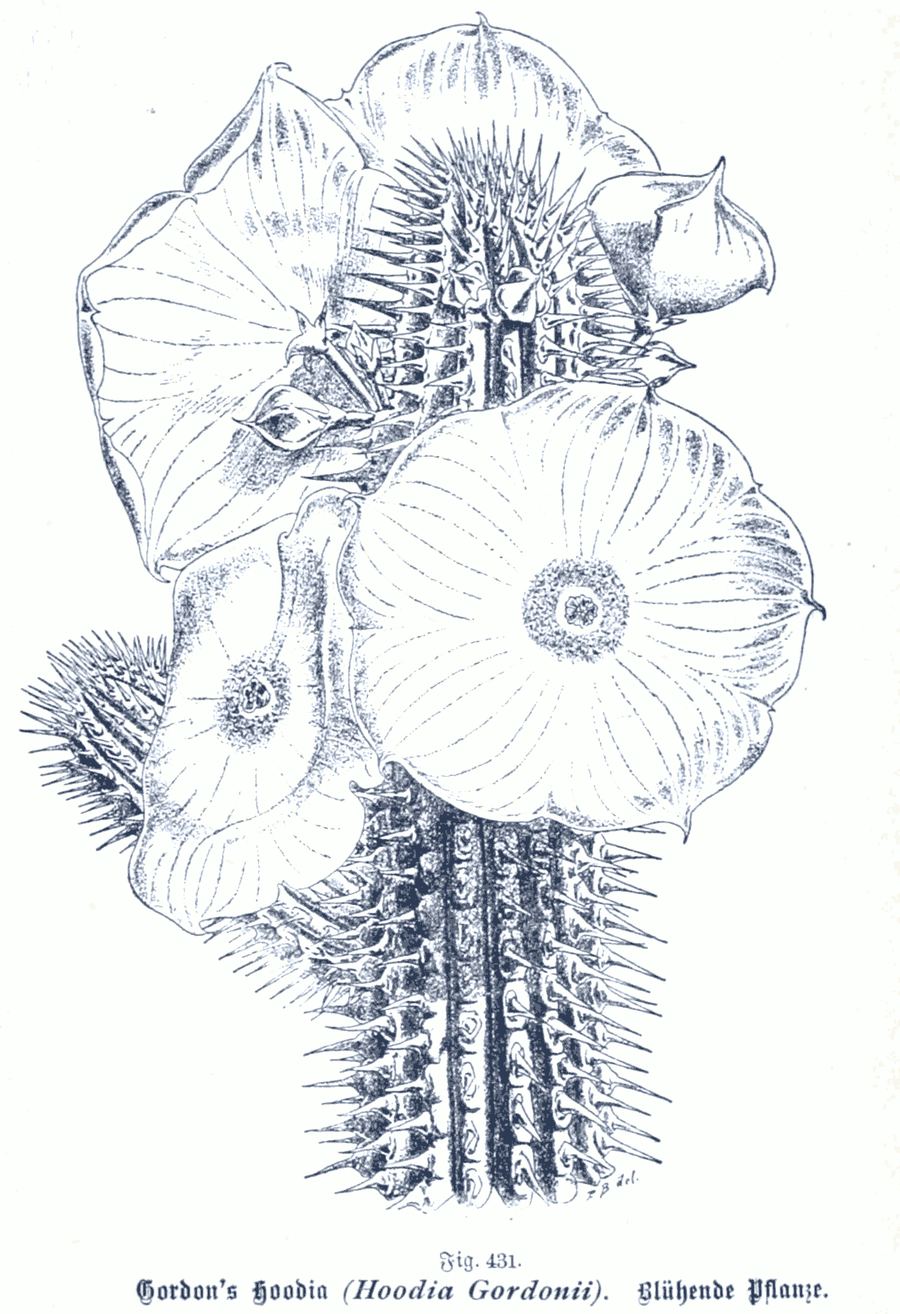
Can raise blood pressure; often mislabeledHoodia is a spiny, cactus-like succulent from southern Africa, sold as an appetite suppressant based on an old San hunting custom.
Did you know? South Africa's research body CSIR patented the plant's appetite-suppressing compound, which sparked a long public debate over sharing profits with the San people, whose knowledge of the plant came first.
What it may help, and how strong the proof is
- Energy & tiredness. Traditional use for going long periods without food or water while hunting. No human trials have tested endurance.See the research: 2 studies in peopleTraditional proof
- Weight. A placebo-controlled trial of 49 women found no difference in weight loss or food intake. Unilever, which had been developing it, dropped the project in 2008.See the research: 4 studies in peopleUnproven
Parts of the body
Traditional use
The San people of the Kalahari and Namib deserts chewed the stems on long hunts to ease hunger and thirst. Today it is sold mainly as a weight-loss supplement.
How it is classified
How people take it
Sold as capsules, powders and teas. The one main human trial used 1,110 mg of a hoodia extract, mixed into a yogurt drink. No safe or effective dose has been set, and many products are not standardized.
Capsule, powder and tea.
Where to get it
Grows wild in the dry, rocky deserts of southern Africa, mainly Namibia, Botswana and South Africa. Sold as dried stems, powder, capsules and teas in health shops and online. Wild plants have been heavily collected, so choose products that name a cultivated source.
Be careful
The trial showed more side effects than placebo, including nausea, vomiting, dizziness and odd skin sensations. It also showed rises in blood pressure, pulse and heart rate, and rises in liver markers (bilirubin and alkaline phosphatase). Little is known about safety in pregnancy, breastfeeding or long-term use. Tests of products sold online have often found little or no hoodia. One tested product was found to contain sibutramine, a weight-loss drug withdrawn from the US market in 2010 over blood pressure and heart rate concerns.
Avoid if: pregnancy; breastfeeding; heart disease; high blood pressure; liver disease.
Mixing with other things
- Use cautionBlood pressure medicine (lisinopril, amlodipine, losartan)
The trial showed rises in blood pressure, so it could work against blood pressure medicines.
- Use cautionHeart rhythm medicine (digoxin, amiodarone)
The trial showed higher pulse and heart rate. Heart medicines could be affected.
The honest take
Hoodia's appetite claim was tested in the main human trial we found, and that trial showed no weight loss. Its safety data are thin, and the trial showed higher heart rate, blood pressure and liver marker changes. Earlier company reports claimed less hunger, but they were not published in a peer-reviewed journal, and the published 2011 trial did not confirm it.
Sources
Each “See the research” link opens PubMed, the U.S. National Library of Medicine's index of medical studies, showing only trials and reviews done in people. The number tells you how much a use has been tested, not whether it worked. The proof rating tells you that.
Study counts checked October 2026.