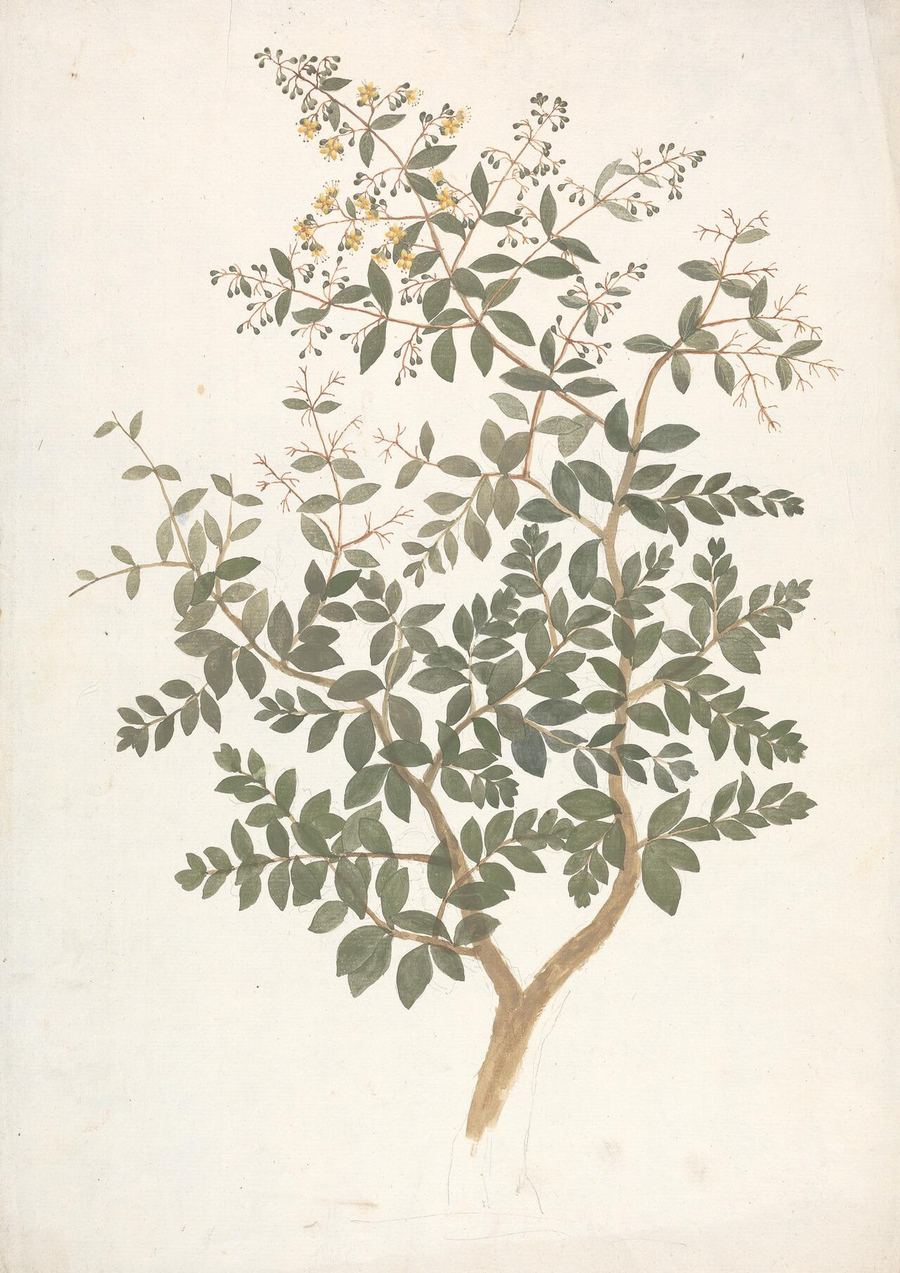
Henna
Lawsonia inermis
Herbs & Roots. Middle Eastern & Unani, African and Ayurveda.
Also called Mehndi, Egyptian privet, Henna tree, Mignonette tree
Pinyin: zhǐ jiǎ huā
Spanish: Alheña
Black henna can be dangerousHenna is a shrub whose dried leaves make a reddish-orange dye for hair, skin and nails, and it is widely used for body art.
Did you know? The henna dye, a compound called lawsone, binds to the protein keratin in hair, skin and nails. That is why the color lasts for weeks, as the outer layers shed.
What it may help, and how strong the proof is
- Hair & nails. Used for hair color and conditioning for centuries. The color effect is well known, but studies of hair health are lacking.See the research: No trials in people found yetTraditional proof
- Skin. Used on the skin for cooling and healing in traditional medicine. Human trials are lacking, and some people get a contact rash from it.See the research: 13 studies in peopleTraditional proof
- Infections. Lab studies show some activity against fungi and bacteria. Good human trials for skin or nail infections are lacking.See the research: 7 studies in peopleTraditional proof
Parts of the body
Traditional use
North Africa, the Middle East and South Asia have used henna for centuries for hair color, body art (mehndi) and skin care. Ayurvedic practice uses it for the scalp and skin.
How it is classified
- Herbal actions
- Vulnerary, Antifungal, Astringent. Energy: cooling.
- Ayurveda
- Calms Pitta and Kapha. Taste (rasa): bitter, astringent. Energy (virya): cooling. After digestion (vipaka): pungent. Kushtaghna (skin), Varnya (complexion).
How people take it
Most people mix the powdered leaves with water or lemon juice into a paste. They leave it on the hair or skin for a few hours, then rinse. Henna is for use on the outside of the body only.
Powder and topical.
Where to get it
The shrub grows in hot, dry parts of North Africa, the Middle East, South Asia and other warm regions. It is sold as dried leaf powder, cones and pastes in stores and online. Choose pure henna, and avoid products labeled black henna, which often contain PPD.
Be careful
Pure henna is low in allergy risk for most people, but it can cause contact dermatitis, an itchy rash. Black henna often contains PPD (p-phenylenediamine), a hair-dye chemical that can cause severe allergic reactions and blistering. Henna leaves contain lawsone, which can break down red blood cells in people with G6PD deficiency, an inherited enzyme shortage. In reported cases, G6PD-deficient newborns developed severe jaundice and hemolytic anemia after henna was put on their skin, and a 2023 review of 31 infant cases tied to henna included two deaths. Keep henna away from babies. There are no good safety studies in pregnancy or breastfeeding, so ask a doctor before using it then. Do not swallow henna, since it can cause the same red-cell damage in G6PD deficiency.
Avoid if: G6PD deficiency; newborns; PPD hair dye allergy; pregnancy (swallowing).
Mixing with other things
- Works well together
Often mixed with amla powder in Indian hair packs for color and conditioning.
The honest take
Pure henna is a long-used, natural dye that is generally safe for most adults on hair and skin. Its benefits for hair health, skin and infections rest mostly on tradition and lab work, with few human trials. The real risks come from black henna with PPD, and from henna in people with G6PD deficiency, especially newborns.
Sources
Each “See the research” link opens PubMed, the U.S. National Library of Medicine's index of medical studies, showing only trials and reviews done in people. The number tells you how much a use has been tested, not whether it worked. The proof rating tells you that.
Study counts checked October 2026.