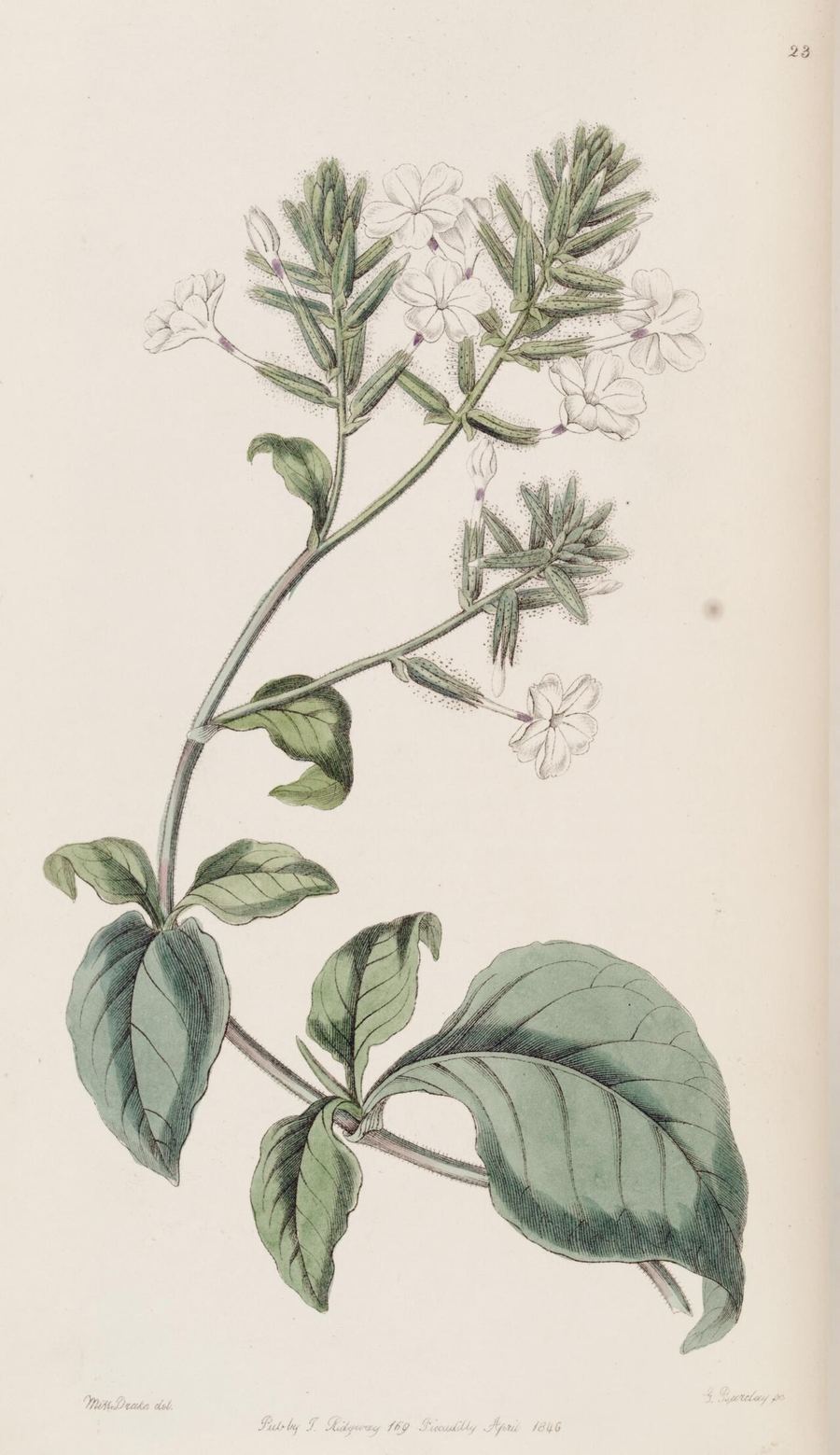
Chitrak
Plumbago zeylanica · चित्रक
Herbs & Roots. Ayurveda.
Also called Ceylon leadwort, White leadwort, Chitraka, Agni
Sanskrit: चित्रक (Chitrak)
Toxic root; expert care onlyChitrak is the root of a shrub used in Ayurveda to kindle digestion and ease piles, and the plant is toxic.
Did you know? Its Latin name zeylanica refers to Ceylon, the old name for Sri Lanka.
What it may help, and how strong the proof is
- Infections. Plumbagin, its main active compound, fights some bacteria and fungi in lab dishes. This has not been tested in people, and the root is toxic.See the research: No trials in people found yetTraditional proof
- Digestion & gut health. Used in Ayurveda to kindle digestion. A 1966 rat study found no better protein digestion, and no human trials have been found.See the research: No trials in people found yetUnproven
Parts of the body
Traditional use
Ayurvedic texts call chitrak a digestive fire-kindler. It has been used for weak appetite, bloating and piles, and classical formulas such as Chitrakadi Vati include it.
How it is classified
- Herbal actions
- Carminative, Antimicrobial, Anti-parasite. Energy: warming.
- Ayurveda
- Calms Kapha. Can raise Pitta. Taste (rasa): pungent. Energy (virya): heating. After digestion (vipaka): pungent. Deepana (kindles digestion), Pachana (digests toxins/ama), Arshoghna (relieves piles).
How people take it
Only a trained Ayurvedic practitioner should dose it, usually as a purified root powder or a classical tablet in small amounts. Home use of raw root is not advised.
Tablet and powder.
Where to get it
Grows wild or as a garden shrub in India, Sri Lanka and other warm regions. Sold as root powder and classical tablets in some Ayurvedic shops, where the plant name should be checked, since red-flowered Plumbago rosea and other look-alikes are sold under similar names.
Be careful
The root and leaves are toxic. Plumbagin can blister skin and irritate the eyes on contact, and swallowing can cause severe stomach and gut irritation. Ayurvedic sources warn it can irritate the pelvic organs and may trigger miscarriage, so avoid it in pregnancy and keep it away from children.
Avoid if: pregnancy; breastfeeding; children; stomach ulcers.
Mixing with other things
No specific mixing notes on file. That doesn't prove it's safe with everything; ask a pharmacist about your full list.
The honest take
Chitrak has a long history in Ayurvedic digestion and piles care, but most of its support is tradition. The root contains plumbagin, a strong irritant that is toxic if swallowed. It should only be used in purified form, under a qualified practitioner's care.
Sources
Each “See the research” link opens PubMed, the U.S. National Library of Medicine's index of medical studies, showing only trials and reviews done in people. The number tells you how much a use has been tested, not whether it worked. The proof rating tells you that.
Study counts checked October 2026.