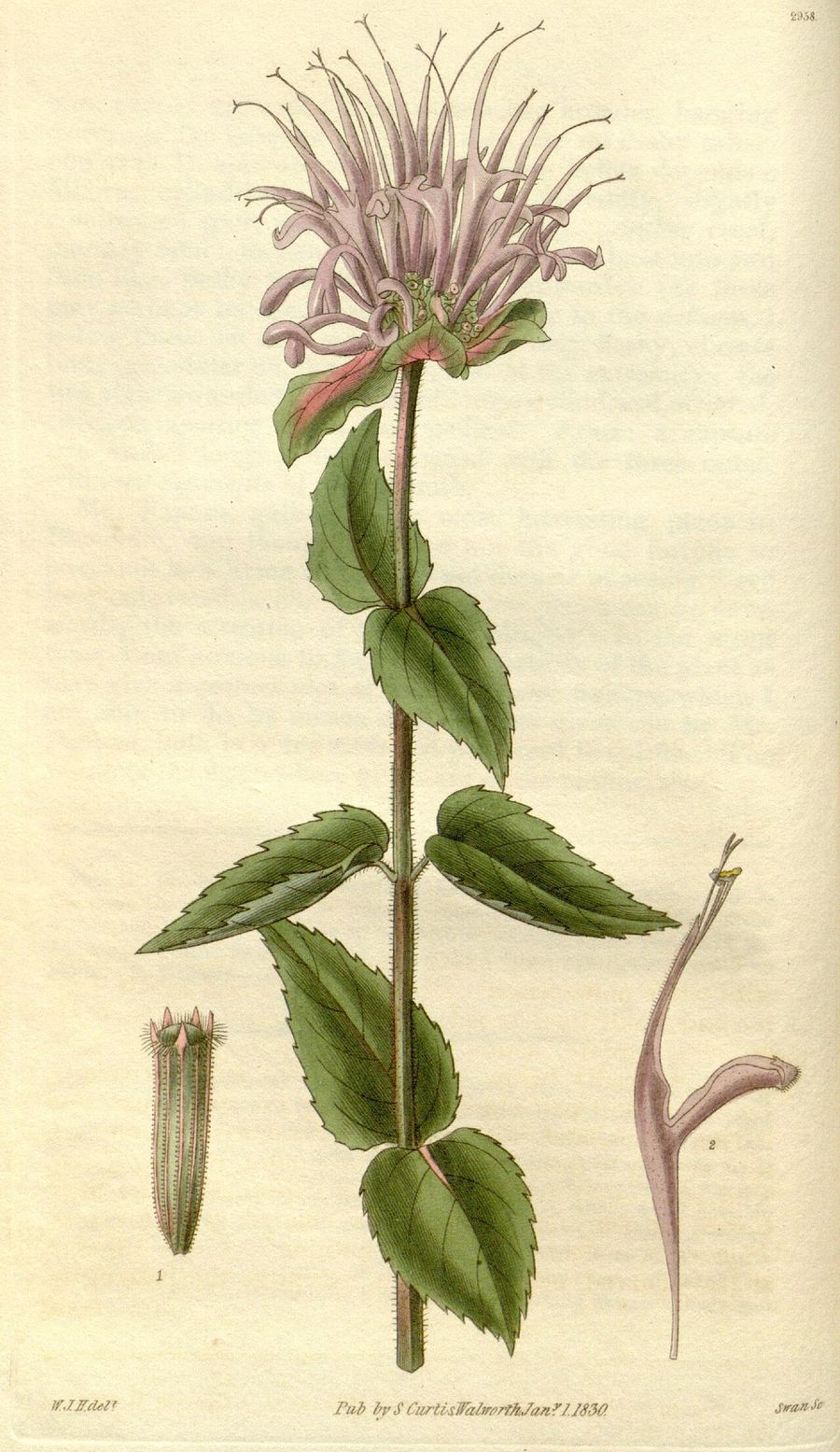
Bee balm
Monarda fistulosa
Herbs & Roots. Native American and Folk & home remedies.
Also called Wild bergamot, Oswego tea
Essential oil is strongBee balm is a wild North American mint whose leaves and flowers make a fragrant tea, and many Native nations used it for colds and wounds.
Did you know? Some bee balm plants make thymol, a compound that is also an active ingredient in some mouthwashes, such as Listerine.
What it may help, and how strong the proof is
- Colds, flu & immunity. Tea is used for colds and flu, but good human trials are missing.See the research: No trials in people found yetTraditional proof
- Infections. Oils from the plant slow some germs in lab tests. This has not been shown as a treatment in people.See the research: No trials in people found yetTraditional proof
- Mouth, gums & teeth. Some old records list it for toothache or mouth complaints. These records are thin, and no clinical trials exist.See the research: No trials in people found yetTraditional proof
Parts of the body
Traditional use
Many Native American nations used wild bergamot as a tea and as a poultice for colds, fevers, coughs and wounds. The tea later became known as Oswego tea.
How it is classified
- Herbal actions
- Carminative, Diaphoretic, Antimicrobial. Energy: neutral.
How people take it
Most people steep dried leaves and flowers in hot water as a tea. Research has not set a dose, and the essential oil should never be swallowed.
Tea and tincture.
Where to get it
A wild plant of prairies, meadows and woodland edges across much of North America, also grown in gardens. Sold as dried leaves and flowers, tea blends, tinctures and essential oil.
Be careful
Tea is generally mild for most adults. The essential oil is very concentrated. Swallowing it can be harmful, and undiluted oil can burn the skin and eyes. People allergic to mint plants may react, and pregnancy, breastfeeding and young children need extra care.
Avoid if: pregnancy; breastfeeding; mint allergy; children under 12.
Mixing with other things
No specific mixing notes on file. That doesn't prove it's safe with everything; ask a pharmacist about your full list.
The honest take
Bee balm is a real North American plant with a long tradition of tea use for colds and sore mouths. Lab tests show that some of its oils slow germs, but people have not been studied enough to prove it helps. Treat the essential oil as a strong product, not a drink, and ask a clinician first if you are pregnant.
Sources
Each “See the research” link opens PubMed, the U.S. National Library of Medicine's index of medical studies, showing only trials and reviews done in people. The number tells you how much a use has been tested, not whether it worked. The proof rating tells you that.
Study counts checked October 2026.