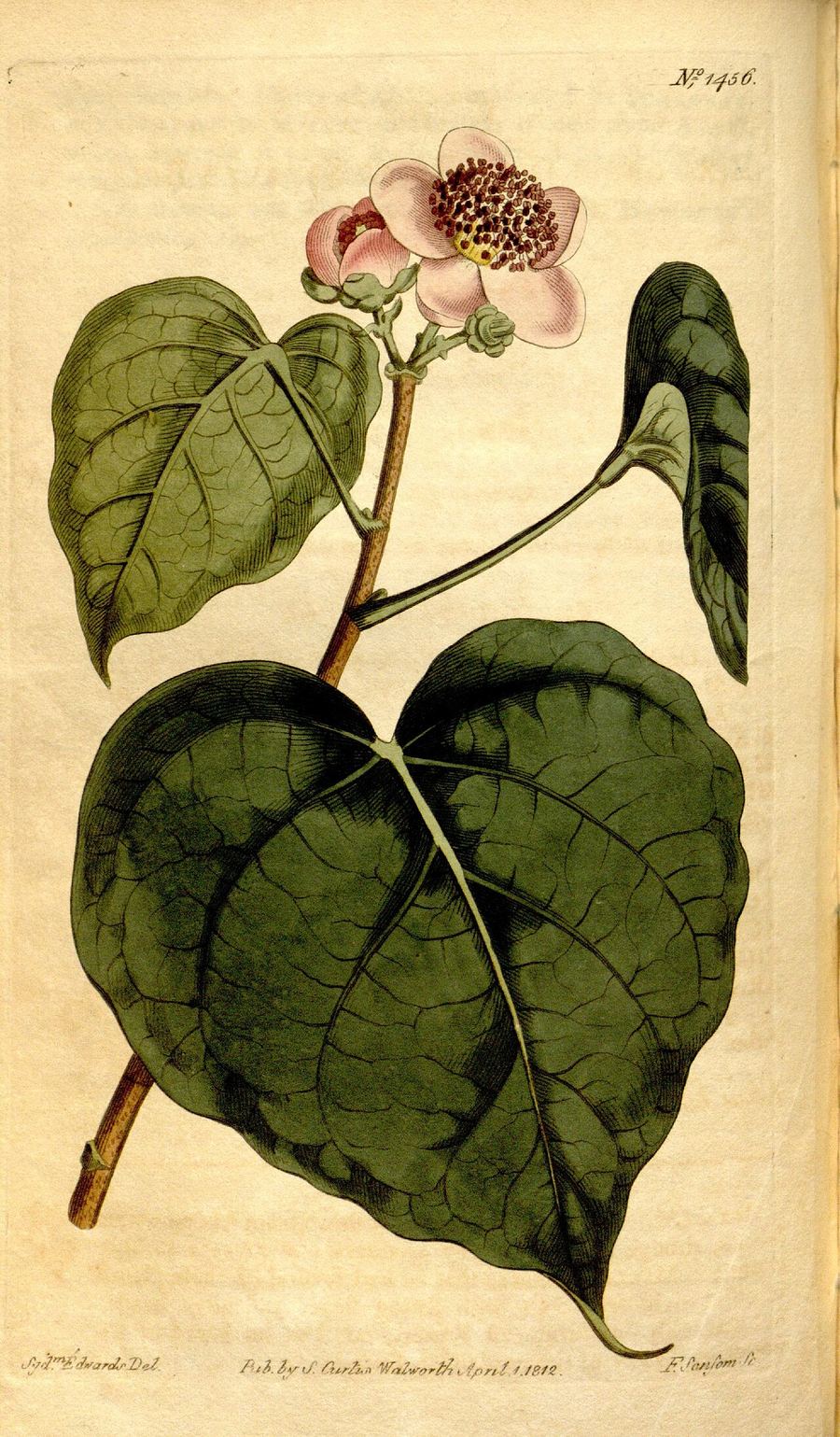
Annatto (achiote)
Bixa orellana
Spices. Latin American & Amazon, Caribbean and Native American.
Also called Achiote, Lipstick tree, Roucou
Pinyin: yān zhī shù
Spanish: Achiote
Rare allergic reactionsAnnatto is the orange-red seed of the achiote tree, used mainly to color and season food, and to make traditional body paint.
Did you know? The orange color in annatto comes from pigments called bixin and norbixin. These color many cheddar cheeses and butters, so people eat them often without noticing.
What it may help, and how strong the proof is
- Skin. Traditionally rubbed on the skin for sun protection and minor burns. Lab tests show protective plant compounds, but human trials are lacking.See the research: No trials in people found yetTraditional proof
- Wounds, burns & bites. Used on cuts and sores in folk medicine. There are no good human trials yet.See the research: 1 study in peopleTraditional proof
- Cholesterol. Annatto tocotrienols were tested in rats on high-fat diets. One small human trial of an annatto tocotrienol blend reported lower LDL, but the primary paper could not be found and the report is industry-linked. Annatto-enriched eggs did not change LDL in a separate trial.See the research: 6 studies in peopleTraditional proof
Parts of the body
Traditional use
Indigenous peoples of the Americas used the seeds as body paint, for sun and insect protection, and to season food. In the Caribbean and Latin America, annatto oil and paste still color and flavor many traditional dishes.
How it is classified
- Herbal actions
- Antioxidant, Vulnerary, Antimicrobial. Energy: neutral.
How people take it
Most people get annatto in food, as a seasoning or color. Folk uses rub a seed paste or oil on the skin. Medicinal use has few human studies, so there is no standard dose.
Food, powder, oil and topical.
Where to get it
The achiote tree grows in tropical regions of the Americas and is also grown in parts of Asia and Africa. Seeds, ground powder, paste and oil are sold in markets and online, and the color is added to many packaged foods.
Be careful
Annatto is a common food color and is well tolerated in food amounts. Allergy is the main concern, with hives, swelling and, in rare reports, anaphylaxis (a severe allergic reaction). People with a known allergy should avoid it. In one older challenge study, about a quarter of people with chronic hives or swelling reacted to annatto color. One case report linked annatto coloring to more IBS symptoms, and high amounts may upset the stomach. Medicinal doses are not well studied in pregnancy or young children, so food amounts are the safer choice.
Avoid if: annatto allergy; pregnancy (medicinal amounts).
Mixing with other things
No specific mixing notes on file. That doesn't prove it's safe with everything; ask a pharmacist about your full list.
The honest take
Annatto is a long-used food color and seasoning that is safe for most people in food amounts. Its health claims rest mostly on tradition and lab or animal work, and the cholesterol idea is not yet proven in people. Allergy is the main real risk.
Sources
Each “See the research” link opens PubMed, the U.S. National Library of Medicine's index of medical studies, showing only trials and reviews done in people. The number tells you how much a use has been tested, not whether it worked. The proof rating tells you that.
Study counts checked October 2026.