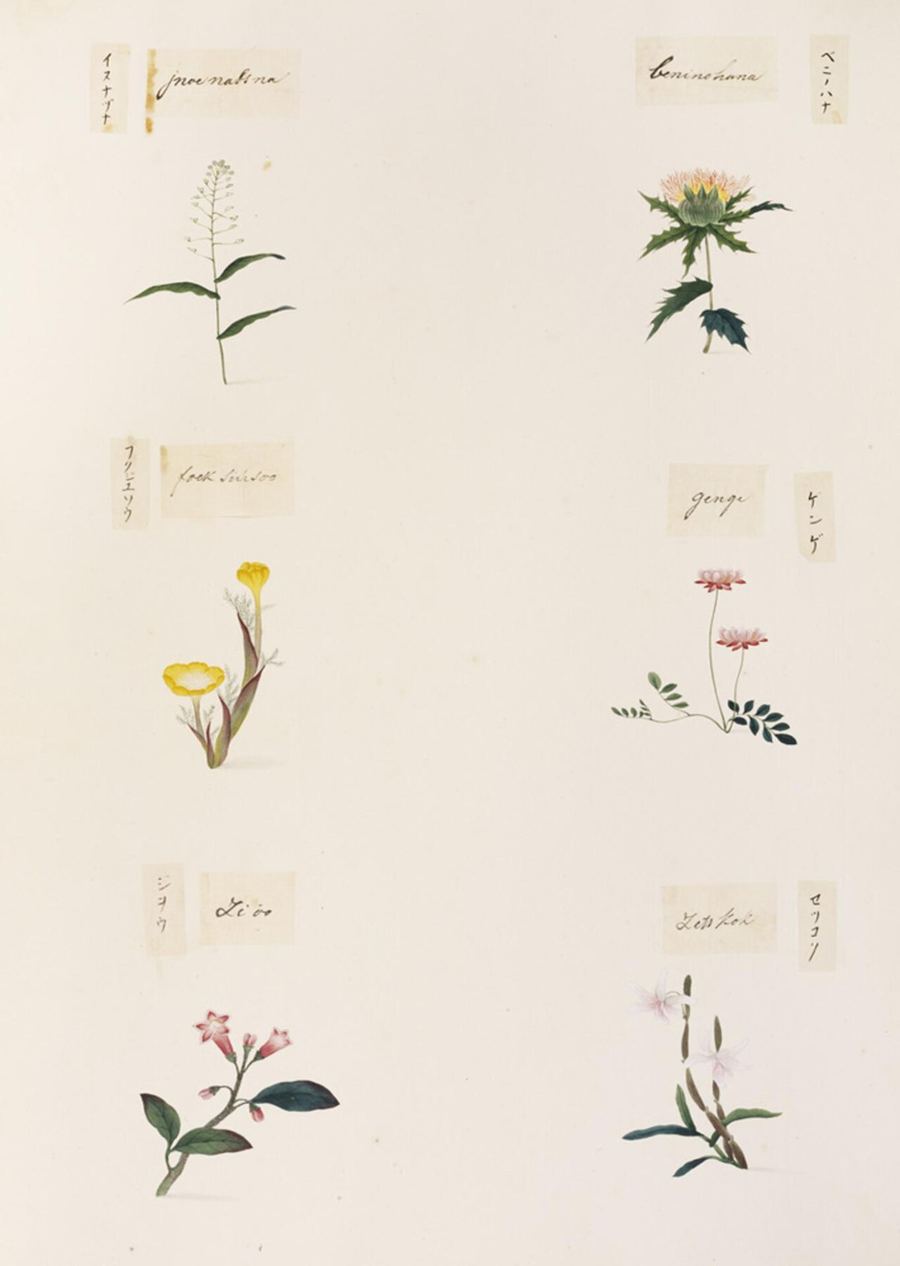
Rehmannia
Rehmannia glutinosa · 熟地黄
Herbs & Roots. Chinese Medicine.
Also called Shu di huang, Sheng di huang, Dihuang
Pinyin: Shú Dì Huáng
May lower blood sugarA root used in Chinese medicine in cooked form to nourish blood and deep kidney energy. Human proof is limited.
Did you know? Shu di huang is made by steaming and drying the fresh root again and again until it turns black and sticky. In Chinese medicine, this processing changes its nature from cool to warm.
What it may help, and how strong the proof is
- Blood sugar. Some lab and animal studies show lower blood sugar. Human trials are few, and most test formulas rather than the root alone.Traditional proof
- Anemia & blood building. Traditional use to build blood. Lab and animal studies only.Traditional proof
- Women's health. Used in formulas for menopause-type symptoms such as night sweats. Human evidence is limited to small formula studies.Traditional proof
Parts of the body
Traditional use
Traditional Chinese Medicine uses shu di huang to nourish blood and Kidney essence for dizziness, pale skin and weak bones. It is the top herb in Liu Wei Di Huang Wan (Six Flavor Rehmannia Pill).
How it is classified
- Herbal actions
- Tonic, Nutritive, Antioxidant. Energy: warming.
- Chinese medicine
- 熟地黄 Tonify blood. Nature: warm. Flavour: sweet. Enters the Liver and Kidney channels.
How people take it
Traditional decoctions often use 9 to 30 g of dried root. Human dose studies for the root alone are lacking. Supplements are mostly capsules or powder.
Decoction, tea, capsule and powder.
Where to get it
Cultivated in China, Korea and Japan. Sold as dried black root (shu di huang), fresh root (sheng di huang), slices, powder and capsules.
Be careful
Can cause stomach upset, loose stools or bloating, especially at larger doses. The fresh form (sheng di huang) is cooler and may cause more diarrhea. Rare allergic reactions are possible. People with diabetes should check blood sugar when using it.
Avoid if: pregnancy; diabetes medicines; loose stools.
Mixing with other things
- Works well together
Shan yao and shu di huang are the two main herbs in Liu Wei Di Huang Wan (Six Flavor Rehmannia Pill), a classic kidney formula.
- Works well together
Dong quai and shu di huang are both in Si Wu Tang (Four Substances Decoction), the classic blood formula.
- Works well together
Shu di huang and shan zhu yu are both in Liu Wei Di Huang Wan (Six Flavor Rehmannia Pill).
- Works well together
Shu di huang and bai shao are both in Si Wu Tang.
- Works well together
Goji and shu di huang are both in Zuo Gui Wan (Restore the Left Kidney Pill), a classic kidney formula.
- Works well together
Zhi Bai Di Huang Wan (Anemarrhena, Phellodendron and Rehmannia Pill) combines them for night sweats and low heat that comes with weak body fluids (yin deficiency).
- Works well together
Also in Qing Hao Bie Jia Tang, where rehmannia cools heat and nourishes body fluids.
- Works well together
Qing Hao Bie Jia Tang (Artemisia and Turtle Shell Decoction) pairs them with rehmannia for lingering heat.
- Works well together
Rehmannia is part of Si Wu Tang with chuan xiong, for women's blood health.
- Use cautionDiabetes medicine (metformin, insulin, glipizide, Ozempic)
May lower blood sugar. Check levels if you take diabetes medicines, since the combined effect may drop sugar too far.
Adds up with others that may lower blood sugar: , , , , , , , , , , , , , and 39 more.
Found in these formulas
Four Substances (TCM), Six Flavor Rehmannia (TCM)
The honest take
Rehmannia is a long-used kidney and blood tonic, with some lab work on blood sugar and immune function. Its strongest evidence comes from formulas, not the root alone. Human trials of the root by itself are thin, so most of its claims are traditional.