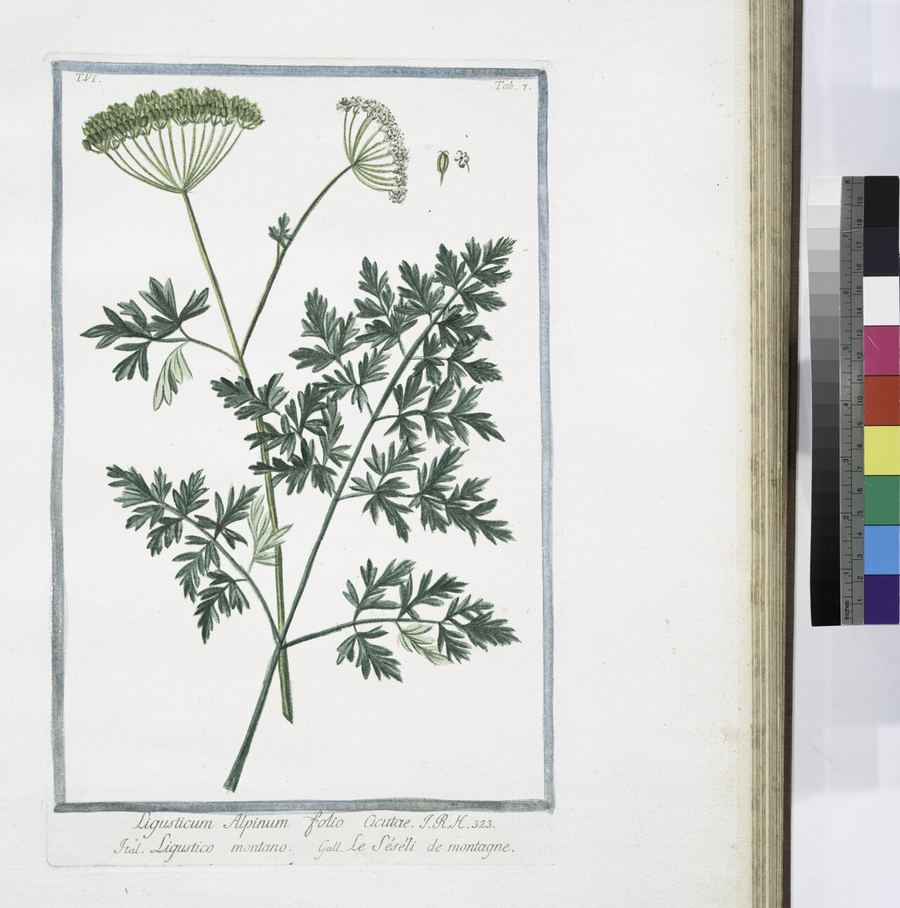
Osha root
Ligusticum porteri
Herbs & Roots. Native American and Latin American & Amazon.
Also called Chuchupate, Bear root, Porter's lovage
Spanish: Chuchupate
Looks like deadly hemlockA mountain root of the American Southwest that is used for coughs, colds and sore throats.
Did you know? One of its nicknames, bear root, comes from an old story that bears dig up the root and chew it after winter.
What it may help, and how strong the proof is
- Breathing & asthma. Used for coughs and chest colds in folk medicine. Human studies are missing.Traditional proof
- Infections. Lab tests show some antiviral and germ-fighting action. Human proof is lacking.Traditional proof
Parts of the body
Traditional use
Native peoples of the Southwest and Rocky Mountains used osha for colds, coughs and sore throats. Hispanic folk healers in New Mexico and Colorado also use it for colds and coughs.
How it is classified
- Herbal actions
- Expectorant, Antiviral, Antimicrobial. Energy: neutral.
How people take it
Traditionally a small piece of root is chewed, or it is made into tea or tincture. No tested dose exists, so folk use means only small amounts.
Tea, tincture and powder.
Where to get it
Grows in mountain meadows and forests at high elevations in the Rocky Mountains and Southwest. Most roots are wild-dug, and the plant is slow to regrow, so local stands have been heavily harvested. Sold as dried root, tea, tinctures and in cough blends.
Be careful
Osha looks very similar to poison hemlock and water hemlock, which are deadly, so wild-picking is dangerous. Side effects from the root itself are not well studied. Avoid in pregnancy and breastfeeding. Buy from sellers who can name the species and source.
Avoid if: pregnancy; breastfeeding.
Mixing with other things
- Works well together
Both are used in folk cough blends for the lungs.
- Works well together
Often combined in traditional cough teas and syrups.
The honest take
Osha is a folk remedy with almost no human research. Lab tests show some germ-fighting action, but that does not prove it helps a cold or cough. The bigger risk is picking the wrong plant, since osha can be mistaken for deadly hemlock.