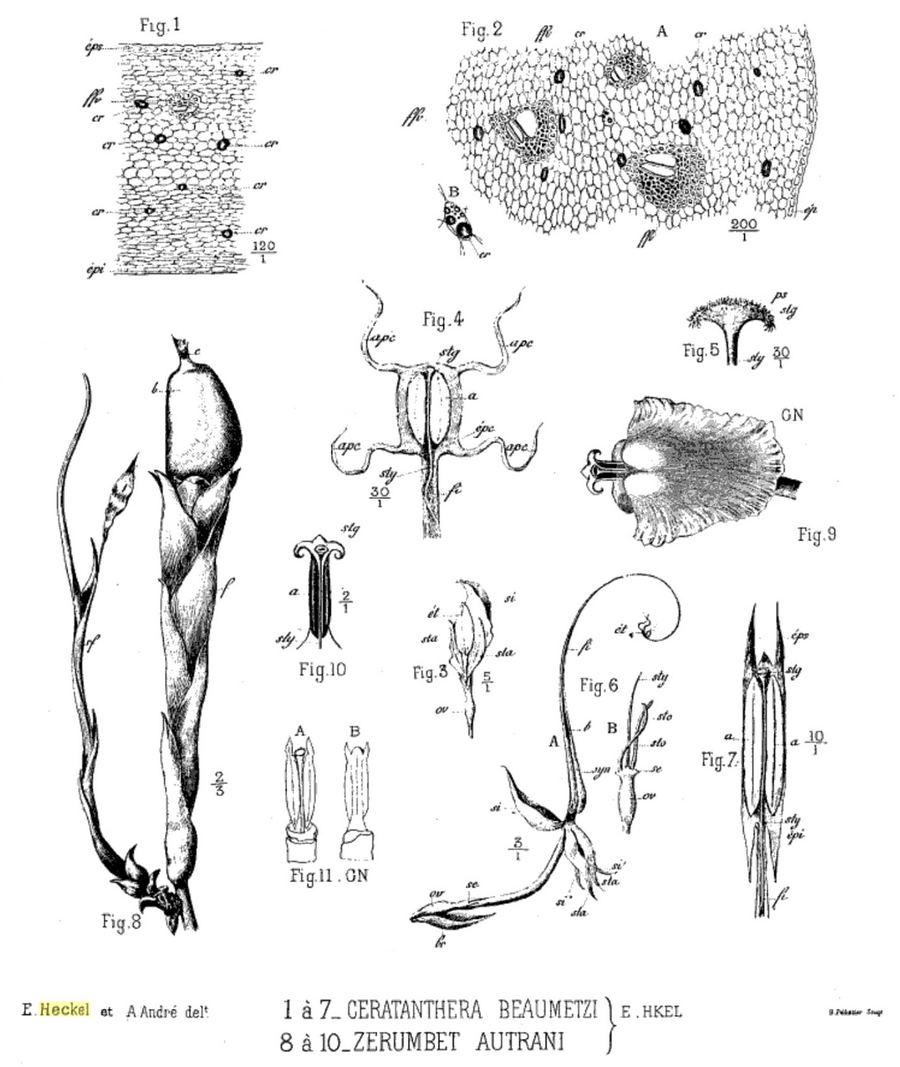
Grains of paradise
Aframomum melegueta
Spices. African.
Also called Alligator pepper, Melegueta pepper, Guinea grains, Malagueta pepper
Large doses not well studiedGrains of paradise are small, peppery seeds from a West African relative of ginger, used as a spice in cooking and sometimes in folk remedies.
Did you know? In medieval Europe, grains of paradise were sold as a cheaper stand-in for black pepper.
What it may help, and how strong the proof is
- Digestion & gut health. Used in food and folk medicine to aid digestion. Human proof is limited.Traditional proof
- Inflammation. Lab tests suggest its ginger-like compounds, such as 6-paradol, may calm swelling. Human proof is limited.Traditional proof
Parts of the body
Traditional use
In West Africa, the seeds have long been used to flavor food and to aid digestion.
How it is classified
- Herbal actions
- Carminative, Anti-inflammatory. Energy: neutral.
How people take it
Used whole or crushed in stews, sauces, and spice mixes. Amounts in food are small, and there are no set doses for health use.
Food and powder.
Where to get it
Grows wild in the wet forests and swamps along West Africa's coast. Sold as whole seeds or ground spice in African markets, spice shops, and online.
Be careful
As a spice in food, grains of paradise is generally safe. Large amounts and supplement forms have not been well studied, so avoid large doses, especially in pregnancy.
Avoid if: large doses during pregnancy.
Mixing with other things
- Works well together
Both are peppery spices that were traded and used side by side.
- Works well together
Both are pungent spices from the ginger family, Zingiberaceae.
The honest take
Grains of paradise are a flavorful spice with a long history in West African and European kitchens. Medicinal claims are mostly lab and early animal work, and human proof is limited. Enjoy it in food, and avoid concentrated supplements unless a doctor agrees.