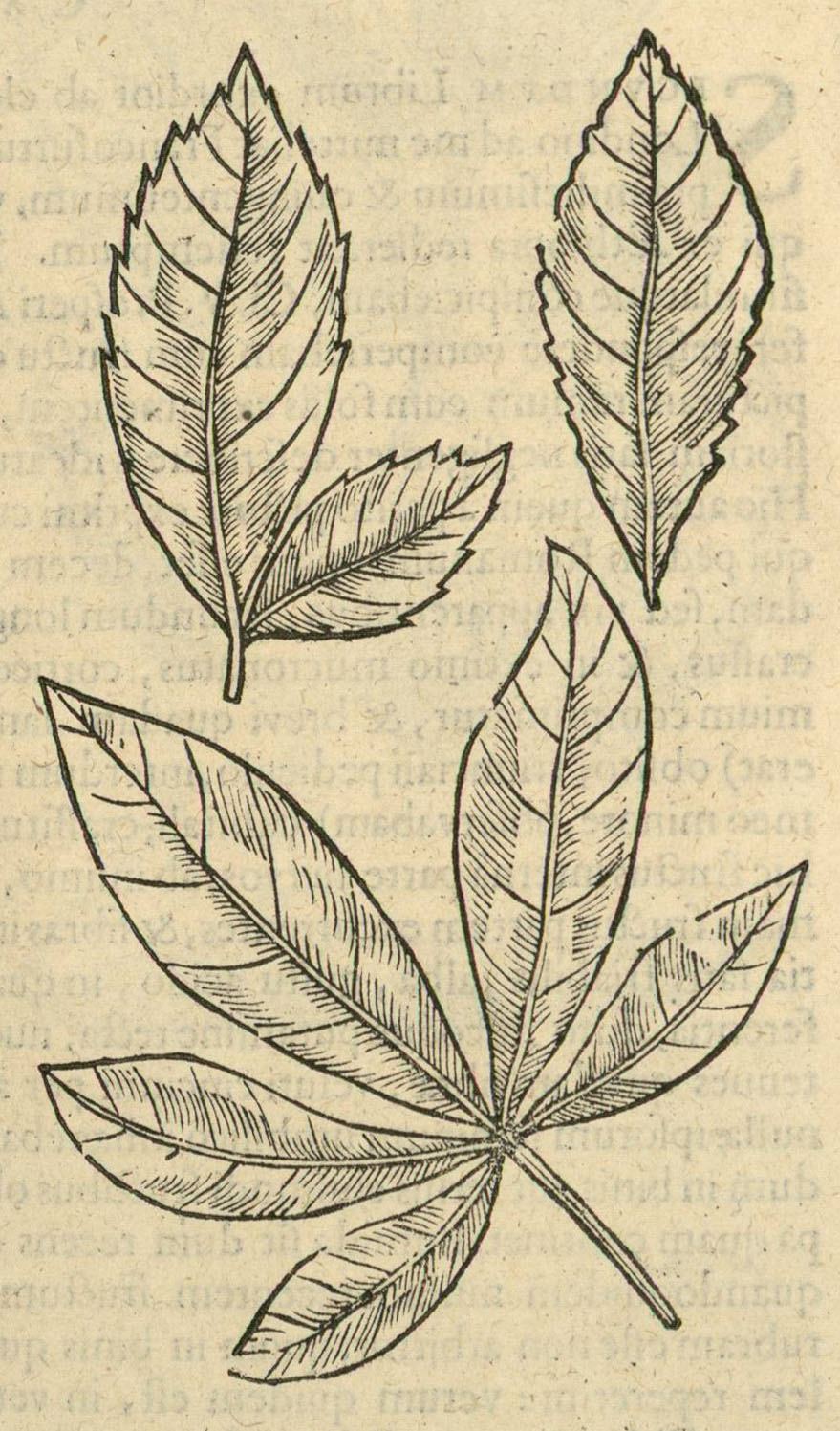
Baobab
Adansonia digitata
Fruits. African and Modern nutrition.
Also called Monkey bread tree, Cream of tartar tree, Upside-down tree
Baobab is the fruit of the African baobab tree, and its dried pulp is sold as a powder high in vitamin C and fiber.
Did you know? Baobab trees can live for many centuries, and their thick trunks store water through long dry seasons.
What it may help, and how strong the proof is
- Digestion & gut health. The pulp is high in fiber, which can help bowel regularity. Human trials on baobab itself are few.Traditional proof
- Colds, flu & immunity. The pulp is high in vitamin C, which supports immune cells. Human proof for baobab and immunity is limited.Traditional proof
Parts of the body
Traditional use
Across Africa, people mix baobab pulp into porridge and drinks, and cook its leaves in sauces. Many communities value the tree for food and shade.
How it is classified
- Herbal actions
- Nutritive, Prebiotic, Antioxidant. Energy: neutral.
How people take it
Stir one to two tablespoons of pulp powder into water, juice, yogurt, or porridge. Start small, since large amounts of fiber can cause gas.
Powder, food and juice.
Where to get it
Grows across the African savanna, from the Sahel south to South Africa. Dried pulp powder, seeds, and seed oil are sold in health food stores and online.
Be careful
The pulp is generally safe as food. Large amounts of fiber can cause gas or loose stools. It is rich in potassium, so people on potassium limits for kidney disease should check with a doctor.
Avoid if: kidney disease.
Mixing with other things
- Works well together
Both African plant powders are added to the same smoothies and porridge.
The honest take
Baobab is a nutritious fruit with real vitamin C and fiber. Most health claims, such as boosting immunity or controlling blood sugar, have little human research behind them. Think of it as a healthy food, not as a supplement that can fix a health problem.