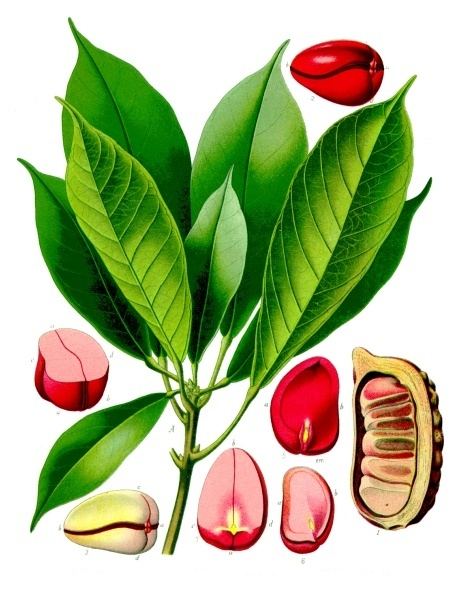
Kola nut
Cola nitida
Seeds & Grains. African and Caribbean.
Also called Bissy nut, Cola nut
Caffeine: heart and sleep risksKola nut is the seed of a West African tree. It is rich in caffeine and is chewed, eaten, or used to flavor drinks.
Did you know? Early versions of Coca-Cola, first sold in 1886, were made with extract from kola nuts.
What it may help, and how strong the proof is
- Energy & tiredness. The alertness effect comes mostly from caffeine. Caffeine itself is well studied, but human trials of kola on its own are few.Traditional proof
- Weight. Chewing kola is said to reduce hunger. Human proof on kola and weight is limited.Traditional proof
Parts of the body
Traditional use
In West Africa, kola nuts are offered to guests as a sign of welcome and are chewed to fight tiredness and hunger. They also appear in ceremonies and folk medicine.
How it is classified
How people take it
Chewed fresh or dried, grated into drinks, or sold as powder and capsules. Caffeine content varies a lot from nut to nut, and labels rarely list it.
Food, powder and capsule.
Where to get it
Grows in the rainforests and farmland of tropical West and Central Africa. Fresh and dried nuts are sold in markets, and extracts and powders are sold for drinks and supplements.
Be careful
Kola is high in caffeine. Too much can cause a fast heartbeat, anxiety, trouble sleeping, and stomach upset. Caffeine can also raise blood pressure and interact with some antibiotics and sedatives.
Avoid if: pregnancy; heart disease; high blood pressure.
Mixing with other things
- Use cautionSleep or anxiety medicine (Ambien, Xanax, Ativan)
Caffeine can cancel out the calming effect of sedatives and sleep medicines.
- Use cautionAntibiotics (doxycycline, Cipro and similar)
Some antibiotics, such as ciprofloxacin, slow the body's clearance of caffeine, so jitters and fast heartbeat can last longer.
- Use cautionAlcohol (beer, wine, spirits)
Alcohol adds to the drowsiness.
- Worth knowingBlood pressure medicine (lisinopril, amlodipine, losartan)
Caffeine can raise blood pressure for a few hours after a dose.
Adds up with others that can make you drowsy: , , , , , , , , , , , , , and 14 more.
The honest take
Kola's stimulant effect is real, but it comes mostly from caffeine rather than anything unique to the nut. Health claims for weight and energy are not well proven for kola on its own. Use it in small amounts, and check with a doctor if you take antibiotics, sedatives, or heart medicines.