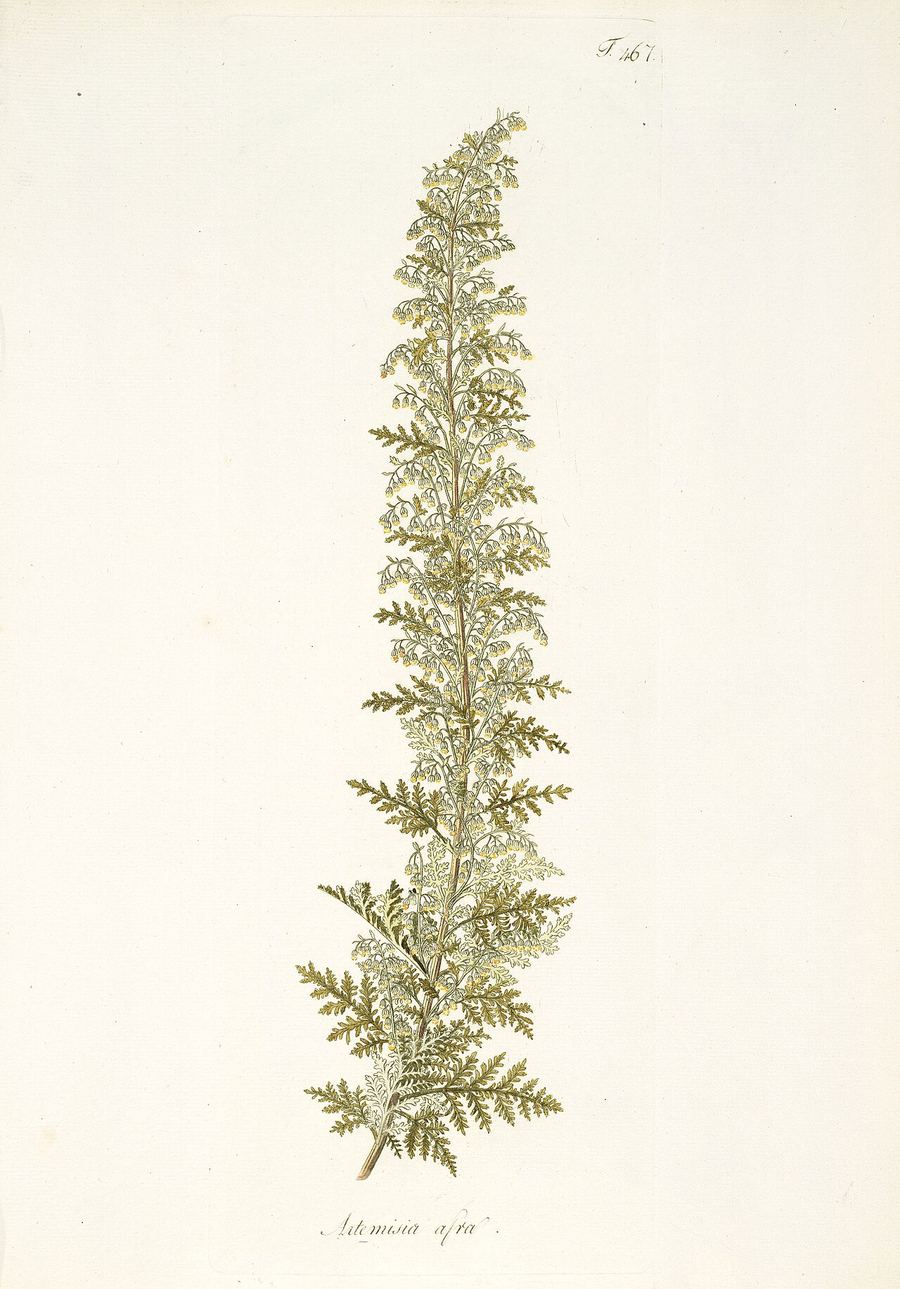
African wormwood
Artemisia afra
Herbs & Roots. African.
Also called Wild wormwood, Umhlonyane (Xhosa)
Contains thujone; seizure riskAfrican wormwood is a South African shrub whose aromatic leaves are brewed into tea for colds and fevers.
Did you know? It is a close relative of sweet wormwood, the plant that gives us artemisinin, a malaria drug.
What it may help, and how strong the proof is
- Fever. Used for fevers in folk medicine. Human proof is limited.Traditional proof
- Infections. Lab tests show that extracts can slow some germs. Human proof is limited.Traditional proof
Parts of the body
Traditional use
Southern African healers have used the plant for colds, coughs, and fevers.
How it is classified
- Herbal actions
- Antimicrobial, Bitter. Energy: neutral.
How people take it
Brewed as a tea from dried leaves, usually taken now and then rather than every day. No safe daily amount has been set.
Tea, decoction and tincture.
Where to get it
Grows wild on dry hills and grassland in South Africa and nearby countries. Sold as dried herb and in tea blends.
Be careful
The plant contains thujone, a compound that can cause seizures at high doses. Its thujone content varies between plants and regions, and reviews note that the WHO once labelled the plant unsafe. Avoid it in pregnancy and with seizure disorders.
Avoid if: pregnancy; seizure disorders.
Mixing with other things
No specific mixing notes on file. That doesn't prove it's safe with everything; ask a pharmacist about your full list.
The honest take
African wormwood is a respected folk remedy in South Africa, but modern proof is thin. Most research is lab work on germs, and human clinical data are limited. Its thujone content and the WHO's past warning mean it should be used with caution.