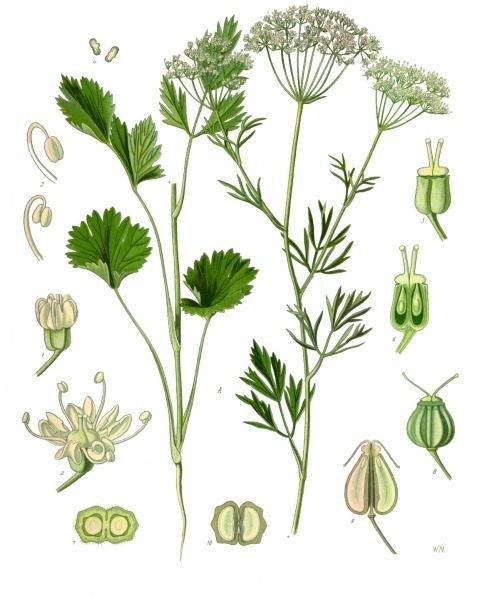
Anise
Pimpinella anisum
Spices. Middle Eastern & Unani and Western & European.
Also called Aniseed, Yansoon
Spanish: Anís
Seeds with a licorice flavor, used in baking, liqueurs and teas for gas and cough.
Did you know? Anise flavors drinks like ouzo and turns cloudy when water is added, because its oil separates into tiny droplets.
What it may help, and how strong the proof is
- Breathing & asthma. Traditionally used for cough and bronchitis. Anise oil has shown some effects in lab studies, but human trials are few.Traditional proof
- Digestion & gut health. Used for bloating and gas in tradition. Human studies are small and few.Traditional proof
Parts of the body
Traditional use
Greek, Roman and Middle Eastern healers used anise for cough, gas and breast milk. Anise tea is still a common folk remedy for colic.
How it is classified
- Herbal actions
- Carminative, Expectorant, Galactagogue. Energy: warming.
How people take it
Use seeds in baking, cookies and bread, or steep crushed seeds as tea. Essential oil is used in small amounts as a food flavoring.
Food, tea and essential oil.
Where to get it
Grown in Egypt, Turkey, Spain and Mexico. Buy whole seeds in spice shops. Do not confuse anise with star anise, a different plant whose unsafe forms can cause seizures.
Be careful
Safe in food amounts. Anise oil is strong and should not be taken in large amounts, especially by young children. Rare allergies can occur in people sensitive to plants in the carrot family.
Mixing with other things
- Works well together
Often mixed in traditional breastfeeding teas.
- Works well together
Both are sweet, licorice-flavored seeds used in teas and cookies.
- Works well together
Common in Middle Eastern and Mediterranean spice blends.
- Works well together
Similar seed flavors and digestive uses in traditional blends.
The honest take
Anise is a flavorful food with a long history, and it has some traditional and small-study support for gas and cough. Human proof is limited. Do not confuse it with star anise, which is a separate plant with safety issues.