Fig
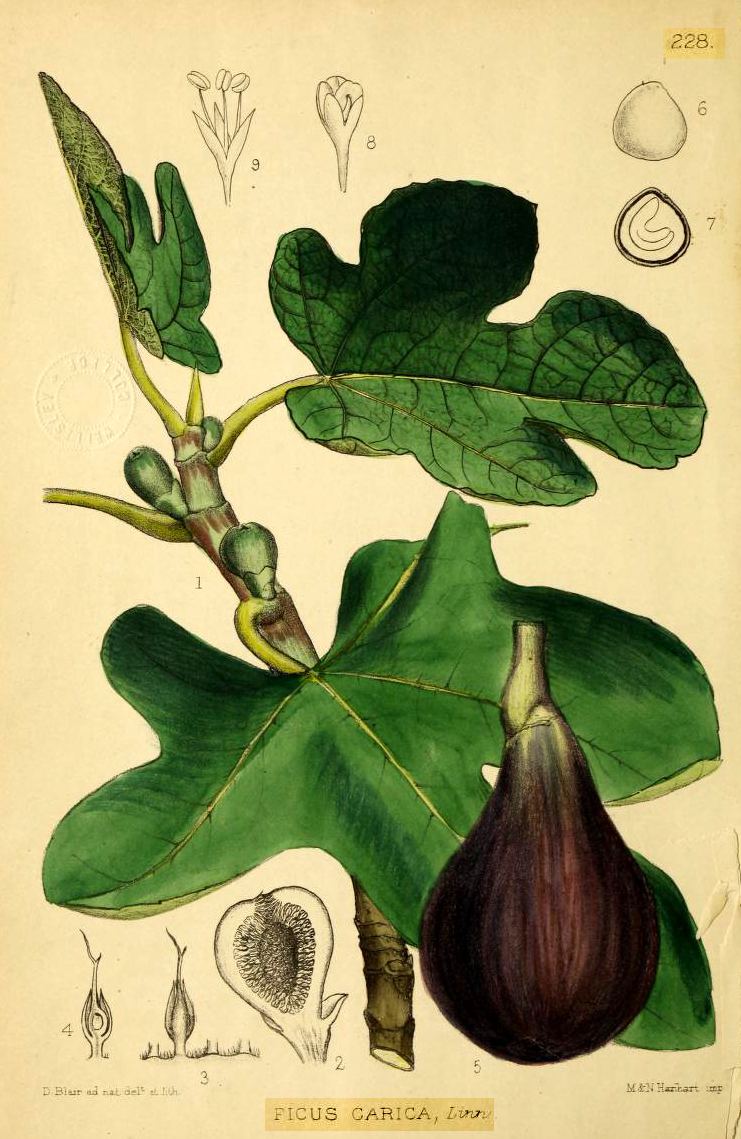
Ficus carica
Fruits. Middle Eastern & Unani.
Also called Common fig, Anjeer, Teen
Spanish: Higo
A sweet fruit from a small tree, eaten fresh or dried and used in folk remedies for constipation.
Did you know? Each fig is a hollow cluster of tiny flowers turned inward, and the crunchy seeds inside are the real flowers.
What it may help, and how strong the proof is
- Constipation. A few small trials found figs or fig juice helped bowel movements in some adults. Studies are few and small.Early proof
- Blood sugar. Fig leaf extracts lowered blood sugar in animal studies. Human proof is lacking.Traditional proof
Parts of the body
Traditional use
Middle Eastern and Mediterranean healers used figs for constipation and sore throat. Fig leaf tea is a folk drink, mainly based on lab work for blood sugar.
How it is classified
How people take it
Eat fresh or dried, or simmer dried figs in water. Leaf tea is made by steeping dried leaves in hot water. No medicine dose is set.
Food and tea.
Where to get it
Grows in Turkey, Greece, Iran and California. Buy fresh figs in season, and dried figs in grocery stores, which keep longer.
Be careful
Safe as food. Large amounts of dried figs can cause loose stools or gas. The milky sap from leaves and stems can irritate the skin and mouth, and may cause skin sensitivity to sunlight.
Mixing with other things
- Works well together
Both are sweet dried fruits common in Middle Eastern snacks.
- Works well together
Both are dried fruits with fiber that help bowel movements.
The honest take
Figs are a tasty, fiber-rich food. Small trials suggest they may help with constipation, and blood sugar claims rest on animal work. Fig leaf sap can irritate skin, so handle leaf tea with care.