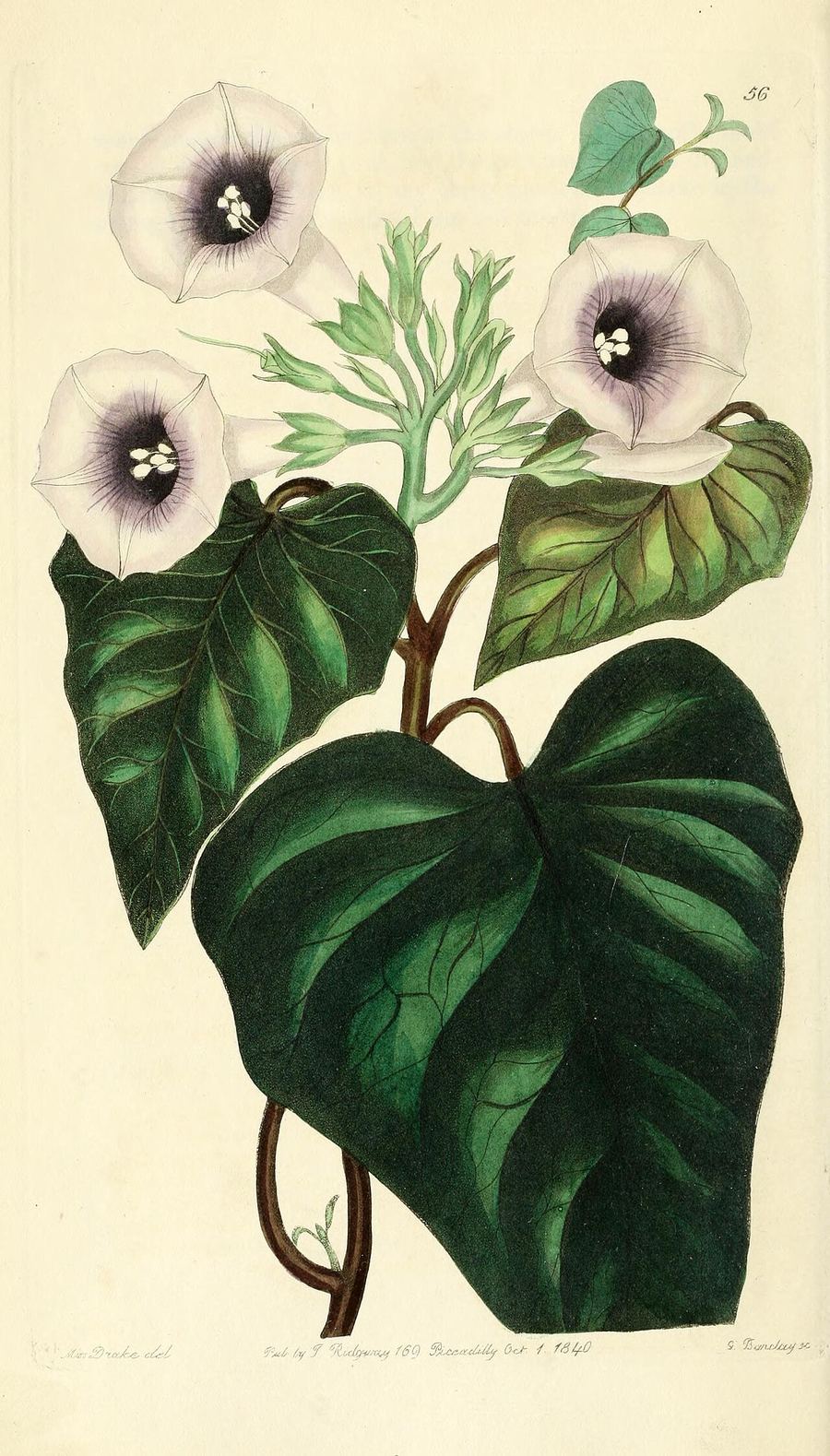
Sweet potato
Ipomoea batatas
Vegetables. African, Caribbean and Modern nutrition.
Also called Batata, Camote, Yam (in the US), Kumara
Pinyin: Gān Shǔ
Spanish: Batata (camote)
A starchy root with orange, purple or white flesh, eaten as a vegetable and staple food.
Did you know? Sweet potatoes are not related to regular potatoes. They belong to the morning glory family, Convolvulaceae.
What it may help, and how strong the proof is
- Eyes & vision. Orange sweet potatoes are rich in beta-carotene, which the body turns into vitamin A. This helps prevent vitamin A shortage.Good proof
- Blood sugar. Some small studies of purple sweet potato show slightly better blood sugar. Regular sweet potato is not a diabetes treatment.Traditional proof
Parts of the body
Traditional use
Sweet potato has long been a staple food in Africa, the Caribbean and Latin America. Some folk healers use its leaves or root for diabetes, but proof is weak.
How it is classified
- Herbal actions
- Nutritive, Antioxidant. Energy: neutral.
How people take it
Bake, boil or roast it and eat it as part of a meal. No special dose is needed for food use.
Food.
Where to get it
Grown in warm climates, including the US, China, Africa and Latin America. Sold fresh, frozen, canned and dried. Choose orange-fleshed types for beta-carotene.
Be careful
Safe as food, though large amounts of beta-carotene can turn skin slightly yellow, which is harmless. Sweet potatoes are high in carbohydrate, so count them in a diabetes meal plan. Raw sweet potato can cause gas.
Avoid if: kidney stones.
Mixing with other things
- Works well together
Cinnamon with baked sweet potato is a common pairing.
- Worth knowingDiabetes medicine (metformin, insulin, glipizide, Ozempic)
Sweet potato carbohydrate raises blood sugar, so count it in your meal plan.
The honest take
Sweet potatoes are a healthy, filling food. The blood sugar claims rest on small studies of purple types. Eating sweet potatoes is not a treatment for diabetes.