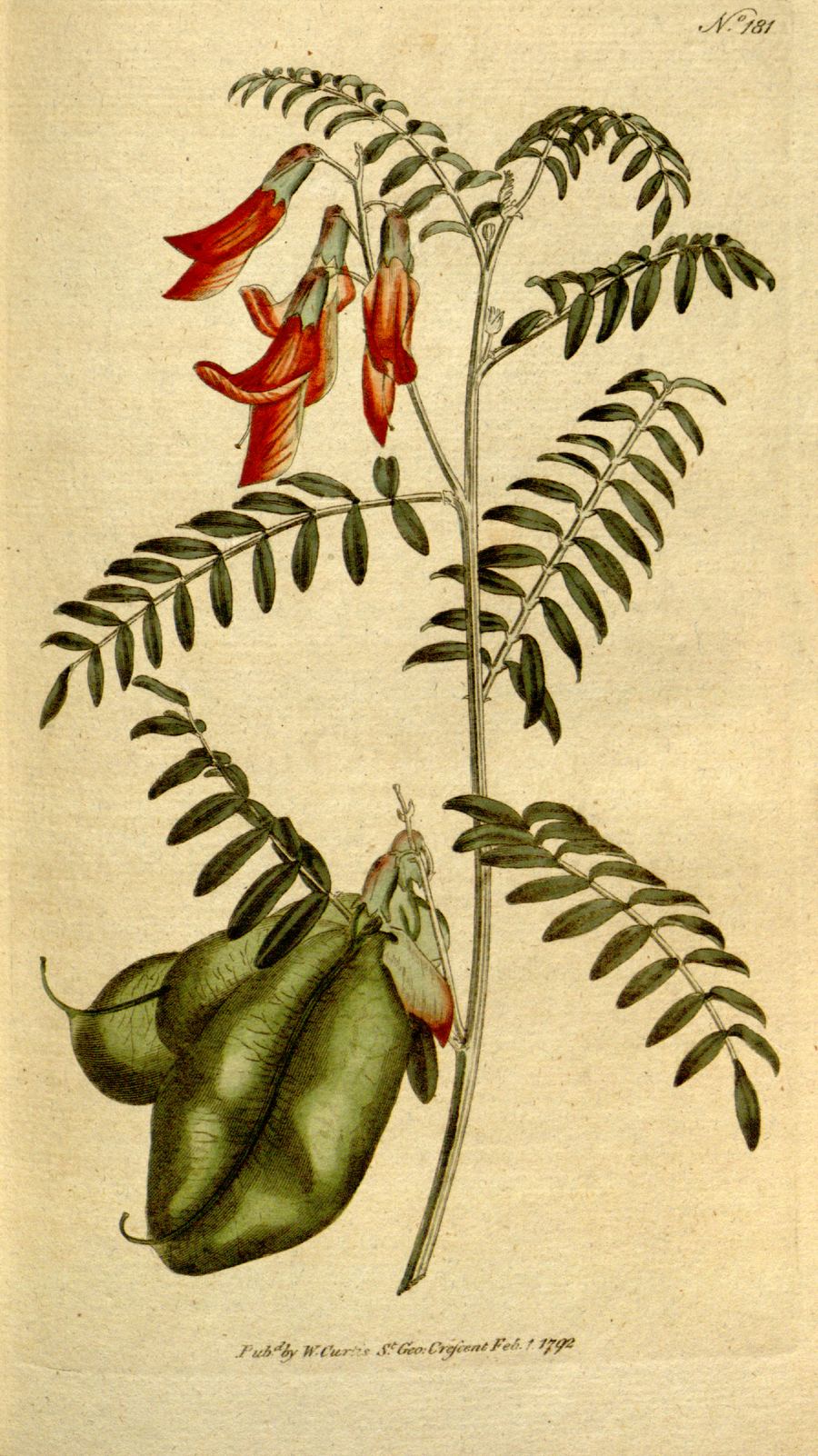
Sutherlandia
Lessertia frutescens
Herbs & Roots. African.
Also called Cancer bush, Balloon pea, Kankerbos
Cancer name is not provenSutherlandia is a South African shrub sold as a tonic for tiredness and immune support, despite its nickname, cancer bush.
Did you know? Its seed pods puff up like tiny balloons, which is why one of its common names is balloon pea.
What it may help, and how strong the proof is
- Energy & tiredness. Some people say it eases tiredness, including people with cancer. Only case descriptions were found, with no controlled trials.Traditional proof
- Colds, flu & immunity. Lab studies have looked at immune effects. Human proof of better immune defense is limited.Traditional proof
- Infections. A placebo-controlled study in adults with HIV found no advantage over placebo.Not supported
Parts of the body
Traditional use
South African healers have used the plant for colds, fevers, and as a general tonic. The name cancer bush is a folk name and does not mean the plant has been proven to fight cancer.
How it is classified
- Herbal actions
- Tonic, Immune balancer, Antioxidant. Energy: neutral.
How people take it
Dried leaves are steeped as tea, or capsules and tinctures are taken as the label directs. Human trials are few, so there are no proven standard doses.
Tea, capsule and tincture.
Where to get it
Grows wild in the dry Karoo and other parts of southern Africa, and is also farmed. Sold as tea, capsules, powders, and tinctures, and some labels still use the older name Sutherlandia frutescens.
Be careful
Side effects reported in studies were mild, such as diarrhea, dry mouth, and dizziness. The plant may change how the body handles some HIV medicines and the TB antibiotic isoniazid, so do not use it with those without a doctor. Little is known about use in pregnancy or children.
Avoid if: pregnancy; HIV medicines; isoniazid (TB antibiotic).
Mixing with other things
- Works well together
Both are sold as immune-support herbs, but no trial tests them together.
- Works well together
Both are African herbs sold for immune support.
- Don't mixAntibiotics (doxycycline, Cipro and similar)
Isoniazid is a TB antibiotic. Cancer centers advise avoiding this plant with isoniazid, and one trial reported two people on the drug still got TB.
The honest take
The cancer bush name runs far ahead of the evidence. Lab dishes show possible effects, but no human trial has shown it fights cancer. The HIV study found no advantage over placebo, and the plant can change how some drugs are handled, so ask a doctor first.