Rooibos
Aspalathus linearis
Herbs & Roots. African.
Also called Red bush tea, Redbush, Rooibos tea
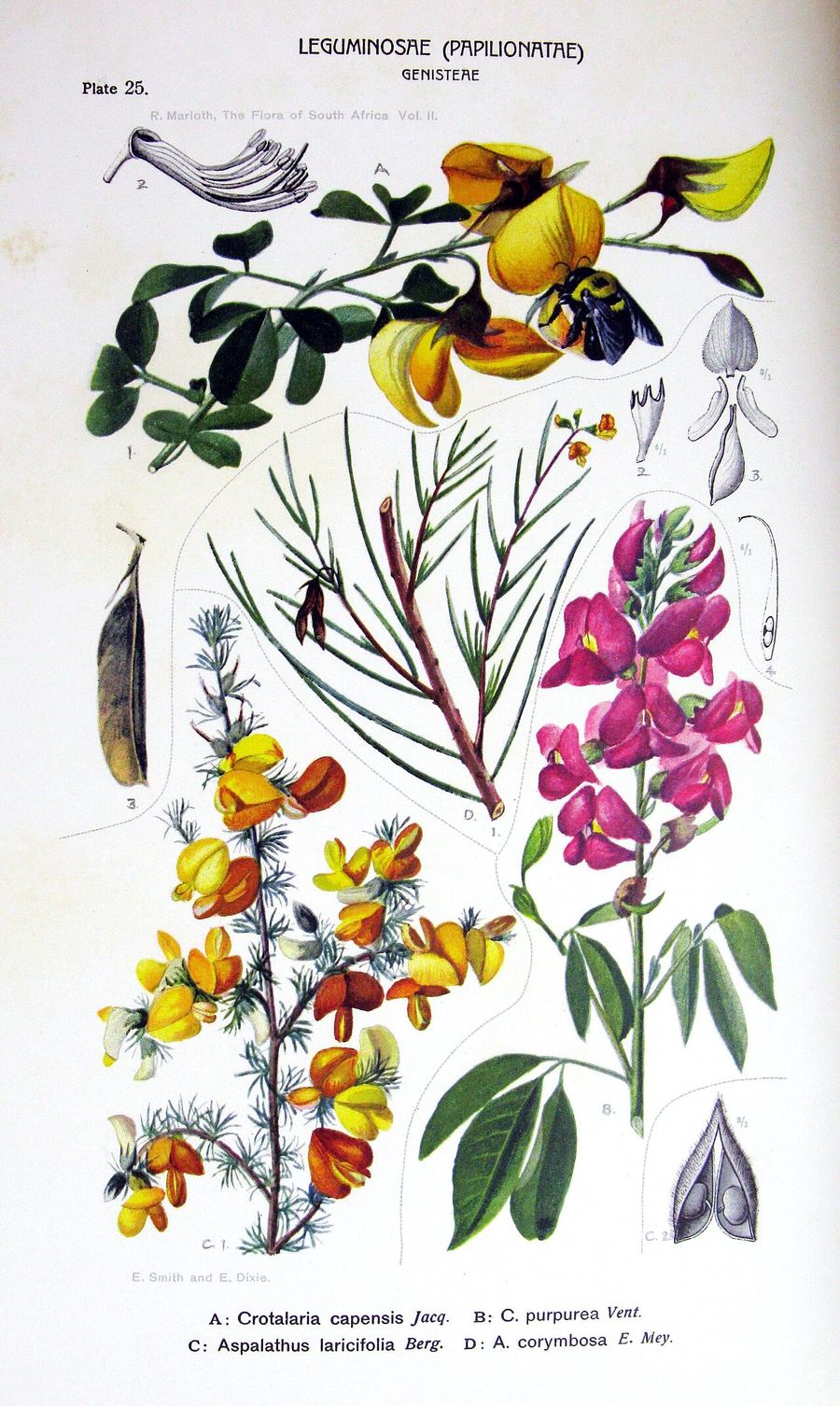
Rooibos is a caffeine-free tea made from the thin, needle-like leaves and stems of a shrub that grows wild in South Africa.
Did you know? Wild rooibos grows naturally only in a small mountain area of South Africa's Western Cape.
What it may help, and how strong the proof is
- Heart health. Lab studies show antioxidant effects that may protect blood vessel cells. Human heart proof is limited.Traditional proof
- Digestion & gut health. The tea is often given for colic and stomach upset. Human trials for these uses are few.Traditional proof
Parts of the body
Traditional use
Khoikhoi people in southern Africa are said to have brewed the plant into a tea long before European settlers arrived. Later, South African families often gave the tea to babies for colic and drank it as an everyday tea.
How it is classified
- Herbal actions
- Antioxidant, Antispasmodic, Nutritive. Energy: neutral.
How people take it
Steep one to two teaspoons of dried leaves in hot water for five to ten minutes. Most people drink one to three cups a day.
Tea.
Where to get it
Grows wild in the Cederberg and nearby mountains of South Africa's Western Cape, and is also farmed there. Sold as loose tea, tea bags, and blends, in green (unfermented) and red (fermented) forms.
Be careful
Rooibos is generally safe as a tea and has no caffeine. Few safety studies exist for concentrated extracts or large amounts. People who are pregnant should check with a doctor before drinking large amounts.
Mixing with other things
- Works well together
Both are South African caffeine-free teas, and they are often blended.
- Works well together
Rooibos and chamomile are often blended into a mild, sweet tea.
The honest take
Rooibos is a pleasant, caffeine-free tea with antioxidants. Most of its health claims come from lab and animal work, and human trials are few and small. Think of it as a good everyday drink, not as a medicine.