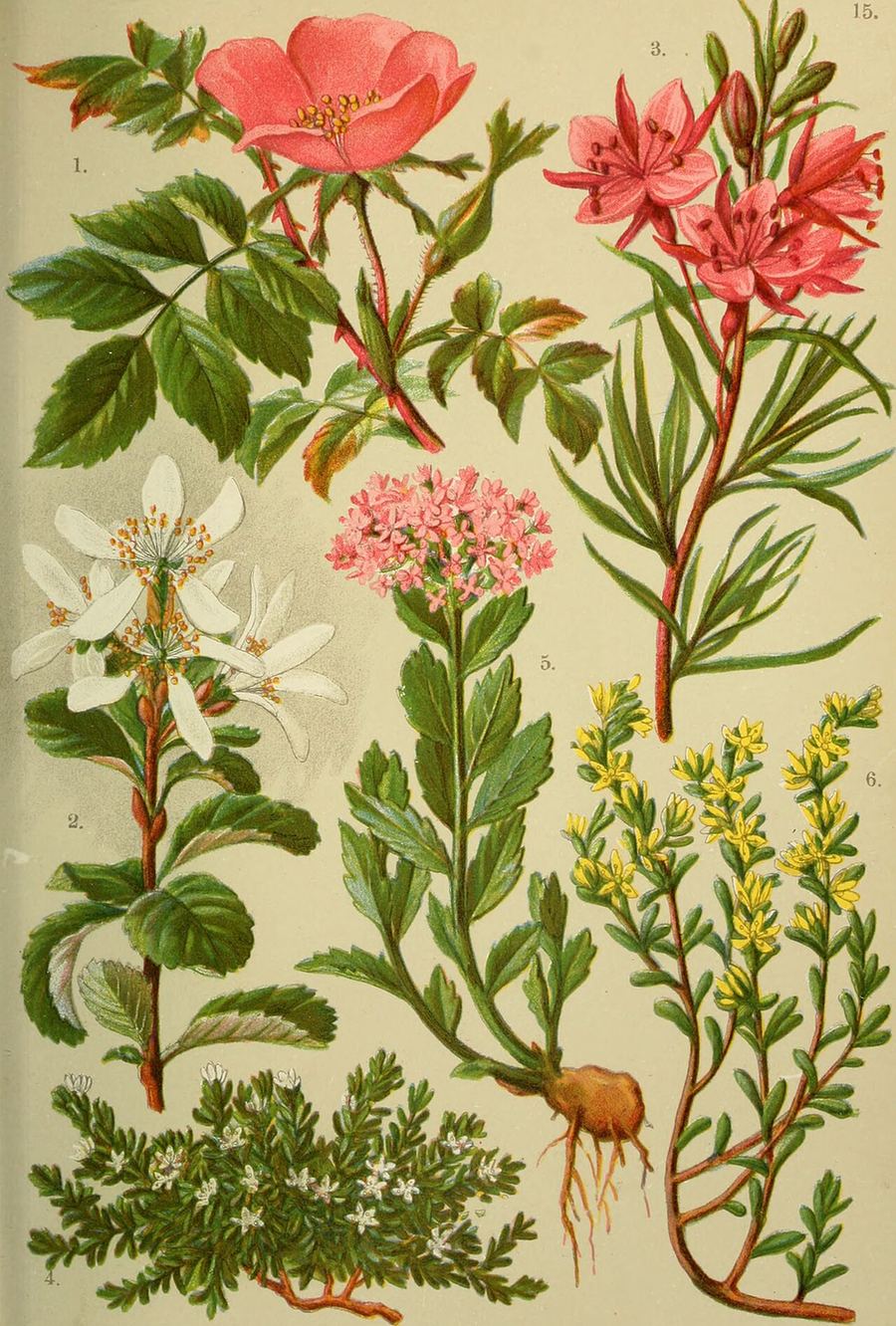
Rhodiola
Rhodiola rosea · 红景天
Herbs & Roots. Western & European and Chinese Medicine.
Also called Golden root, Roseroot, Arctic root, Hong jing tian
Pinyin: Hóng Jǐng Tiān
Spanish: Rodiola
May interact with antidepressantsA root from cold mountain areas, sold to help with tiredness and stress.
Did you know? A freshly cut root smells faintly of roses, which is where the name roseroot comes from.
What it may help, and how strong the proof is
- Energy & tiredness. Small trials show less fatigue, mostly in people under stress. Results vary, and some trials found no effect.Early proof
- Stress & anxiety. A few small, short trials report better stress scores. Larger, longer studies are needed.Early proof
- Low mood. Small early studies in mild depression show some benefit. The number of trials is very small.Early proof
Parts of the body
Traditional use
Used in Russian and Scandinavian folk medicine for tiredness, stress, and cold weather. In Chinese and Tibetan medicine, a related species (hong jing tian) has been used for altitude sickness and poor blood flow.
How it is classified
- Herbal actions
- Adaptogen, Tonic, Antioxidant. Energy: neutral.
- Chinese medicine
- 红景天 Tonify Qi. Nature: neutral. Flavour: sweet, bitter. Enters the Lung and Heart channels.
How people take it
Most studies use standardized extract, often 170 to 680 mg a day. Take it in the morning, since it can disturb sleep if taken late. Tea and tincture doses are not well set.
Capsule, tablet, tincture and tea.
Where to get it
Grows in cold, high places such as the Arctic, Scandinavian mountains, and Siberia. Roots are dug from wild or farmed plants, then dried and extracted. Sold as capsules, tablets, and tinctures, and quality varies, so look for stated rosavins and salidroside levels.
Be careful
Usually well tolerated. Possible side effects include dizziness, dry mouth, irritability, upset stomach, and trouble sleeping. It may interact with antidepressants because lab studies show it slows an enzyme (MAO) that breaks down mood chemicals.
Avoid if: pregnancy; breastfeeding; bipolar disorder; children under 12.
Mixing with other things
- Works well together
Both are called adaptogens and are sold together for stress and energy. Neither combination has strong proof.
- Works well together
Both are adaptogen herbs sold for tiredness and stress. Human proof is limited for each.
- Use cautionAntidepressants (Zoloft, Prozac, Lexapro and others)
Lab studies suggest it slows MAO, an enzyme that breaks down mood chemicals. It may interact with some antidepressants.
Found in these formulas
Adaptogen stack (Modern)
The honest take
Rhodiola is popular for stress and tiredness, and a few small trials show modest gains in fatigue. Most studies are small and short, and the 'adaptogen' idea (a herb that helps the body cope with stress) is a traditional concept, not a proven effect. Product strength varies a lot, so buy from brands that list their markers.