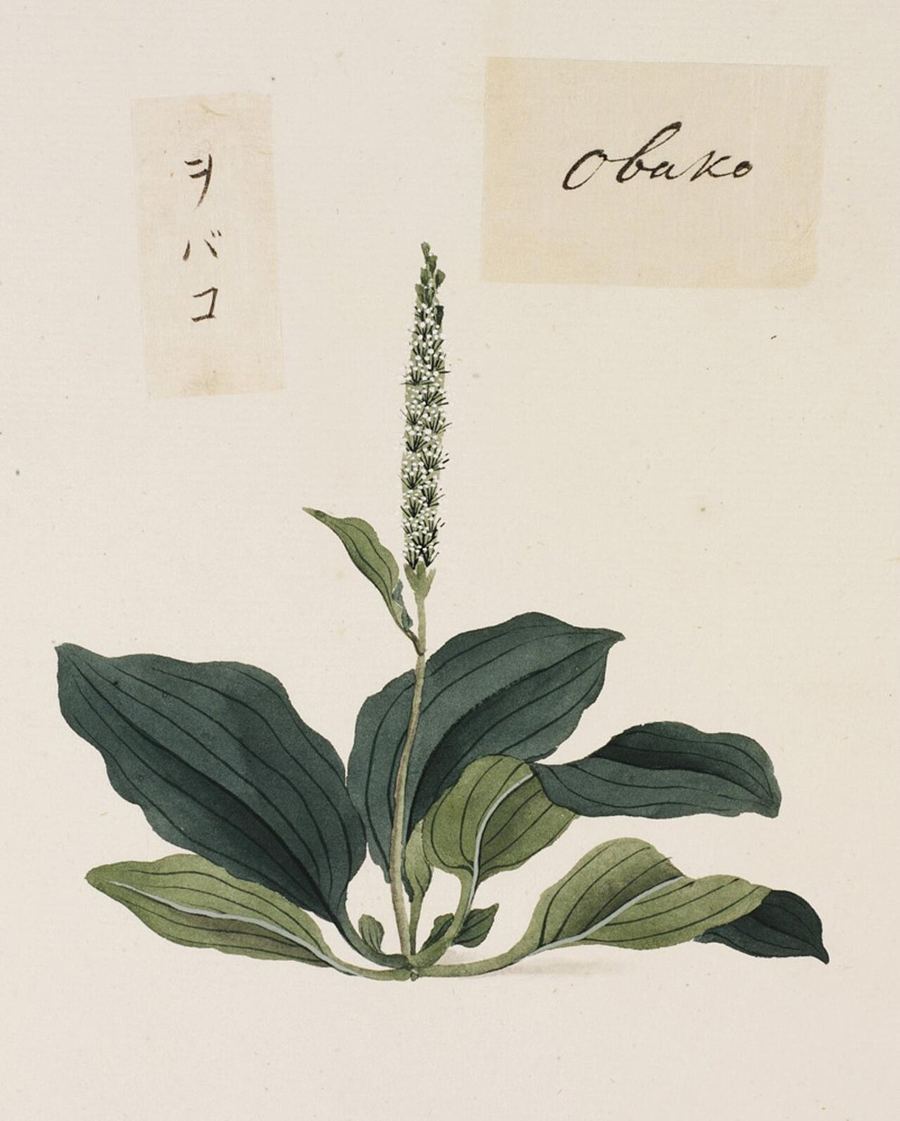
Plantago seed (che qian zi)
Plantago asiatica · 车前子
Seeds & Grains. Chinese Medicine.
Also called Che qian zi, Chinese plantain seed, Asian plantain seed
Pinyin: Chē Qián Zǐ
Limited safety dataA small seed used in Chinese medicine to drain dampness, help urine flow, and stop watery stools.
Did you know? Plantago seeds swell in water and form a slippery gel, but this is a different plant from psyllium, which is sold as fiber.
What it may help, and how strong the proof is
- Kidneys, bladder & UTIs. Used for painful or slow urination in tradition. Human trials of this species are lacking.Traditional proof
- Digestion & gut health. Used for watery diarrhea in tradition. Human proof is limited.Traditional proof
Parts of the body
Traditional use
Chinese medicine uses che qian zi to drain dampness, help urine flow, clear phlegm, and stop watery diarrhea. It is common in urinary and eye formulas.
How it is classified
How people take it
Traditional decoctions use about 9 to 15 grams. The seed is often wrapped in a cloth bag while cooking.
Decoction, powder and tea.
Where to get it
Grown in China, Korea, and Japan. Sold as dried whole seeds, powder, and in patent medicines. Do not confuse it with psyllium, which is a different plant.
Be careful
Acts as a diuretic and can increase urination. It may add to the effect of diuretic drugs. Avoid in pregnancy and in kidney disease.
Avoid if: pregnancy; kidney disease.
Mixing with other things
- Works well together
Tu si zi and che qian zi (plantago seed) are both in Wu Zi Yan Zong Wan.
- Works well together
Both drain dampness and help urine flow in classic Chinese formulas.
- Use cautionWater pills (furosemide, hydrochlorothiazide)
Diuretic action may add to diuretic medicines.
The honest take
Che qian zi is a traditional urine and diarrhea herb, but human proof is thin. Do not assume that psyllium studies apply to this plant. It is a different species with different evidence.