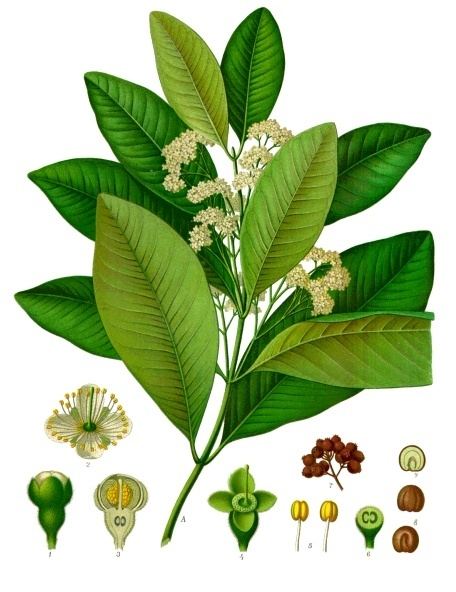
Pimento (allspice)
Pimenta dioica
Spices. Caribbean.
Also called Allspice, Jamaica pepper, Pimienta gorda
Spanish: Pimienta de Jamaica
Oil can burn if swallowedThe dried unripe berry of a Caribbean tree, used as a spice in jerk seasoning and baking. Its folk uses are few.
Did you know? Columbus thought pimento was a kind of black pepper and called it pimienta. It was named allspice later, because it tastes like cinnamon, nutmeg and cloves mixed together.
What it may help, and how strong the proof is
- Digestion & gut health. Used in teas for gas and stomach upset. No strong human trials exist.Traditional proof
- Infections. Lab tests show some antibacterial effects from its oil. No human trials exist.Traditional proof
Parts of the body
Traditional use
In Jamaica the leaves and berries are brewed into teas for colds, gas and stomach upset. The berries flavor jerk meat.
How it is classified
- Herbal actions
- Carminative, Antimicrobial. Energy: warming.
How people take it
Used as a spice in cooking. Tea uses a few berries or leaves. The essential oil is strong and should not be swallowed.
Food, tea and essential oil.
Where to get it
Grows wild in Jamaica and Central America. Dried berries are sold whole or ground. Essential oil is sold for skin and room sprays.
Be careful
Food amounts are safe. Essential oil can burn skin, mouth and throat, and should not be swallowed. Large amounts of its eugenol may affect blood clotting, so avoid big doses before surgery.
Avoid if: bleeding disorders; before surgery.
Mixing with other things
- Works well together
Both are classic herbs in Jamaican jerk seasoning.
- Works well together
Common in jerk marinades with allspice.
- Use cautionBlood thinners (warfarin, Eliquis, Xarelto, Plavix, daily aspirin)
Large amounts of its eugenol may add to blood thinner effects.
Adds up with others that may slow blood clotting: , , , , , , , , , , , , , and 40 more.
Found in these formulas
Jamaican roots tonic (Caribbean), Sorrel drink (Caribbean)
The honest take
Pimento is a safe, common spice in food amounts, with a long Caribbean record. Its folk uses for gas and colds are unproven. Its essential oil is strong and can harm the skin and mouth.