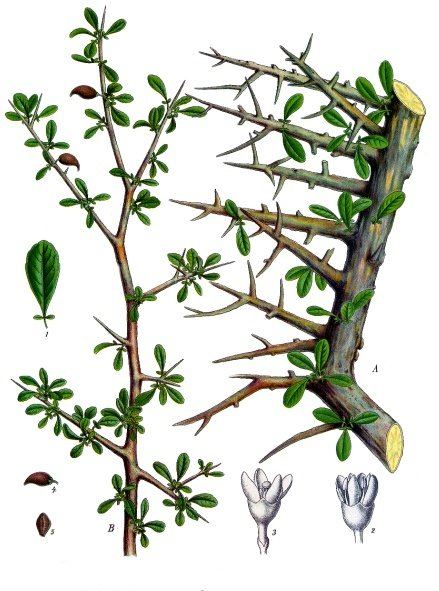
Myrrh
Commiphora myrrha · 没药
Resins & Pitch. Middle Eastern & Unani, African and Chinese Medicine.
Also called Mo yao, Murr, Gum myrrh
Pinyin: Mò Yào
Spanish: Mirra
Avoid in pregnancyA gum resin from a thorny tree, used for mouth sores, gum care and wounds.
Did you know? Myrrh was one of the three gifts given to the infant Jesus in the Gospel of Matthew, and ancient Egyptians used it in embalming.
What it may help, and how strong the proof is
- Mouth, gums & teeth. Small trials of myrrh mouth rinses found some benefit for gums and mouth sores. Studies are few and short.Early proof
- Wounds, burns & bites. Used on wounds for centuries. Lab tests show germ-fighting effects, but human wound trials are lacking.Traditional proof
Parts of the body
Traditional use
Ancient Egyptian, Middle Eastern and African healers used myrrh on wounds, sore mouths and gums. Chinese medicine uses mo yao to ease pain from stuck blood.
How it is classified
- Herbal actions
- Vulnerary, Antimicrobial, Astringent. Energy: neutral.
- Chinese medicine
- 没药 Invigorate blood. Nature: neutral. Flavour: pungent, bitter. Enters the Heart, Liver and Spleen channels.
How people take it
Used as a diluted mouth rinse, a paste on sores, or a tincture added to water. Trial doses are not standard, so no safe amount is set.
Tincture, topical and capsule.
Where to get it
Grown in Somalia, Ethiopia, Yemen and Oman. Buy resin in spice or incense shops, and tinctures or mouthwashes in health stores.
Be careful
Myrrh can cause allergic skin reactions and upset stomach. Large amounts may trigger uterine contractions, so avoid it in pregnancy. Do not swallow large amounts of tincture, since the alcohol and resin can be harmful.
Avoid if: pregnancy; bleeding disorders; before surgery.
Mixing with other things
- Works well together
Classic resin pair. In Chinese medicine, ru xiang and mo yao are often used together for pain from stuck blood.
- Worth knowingBlood thinners (warfarin, Eliquis, Xarelto, Plavix, daily aspirin)
May affect blood clotting in lab tests. Ask a doctor before mixing.
The honest take
Myrrh has a long history, and a few small trials support it for mouth and gum care. Most other uses come from tradition or lab work. Claims about killing infections or cancer are not proven.