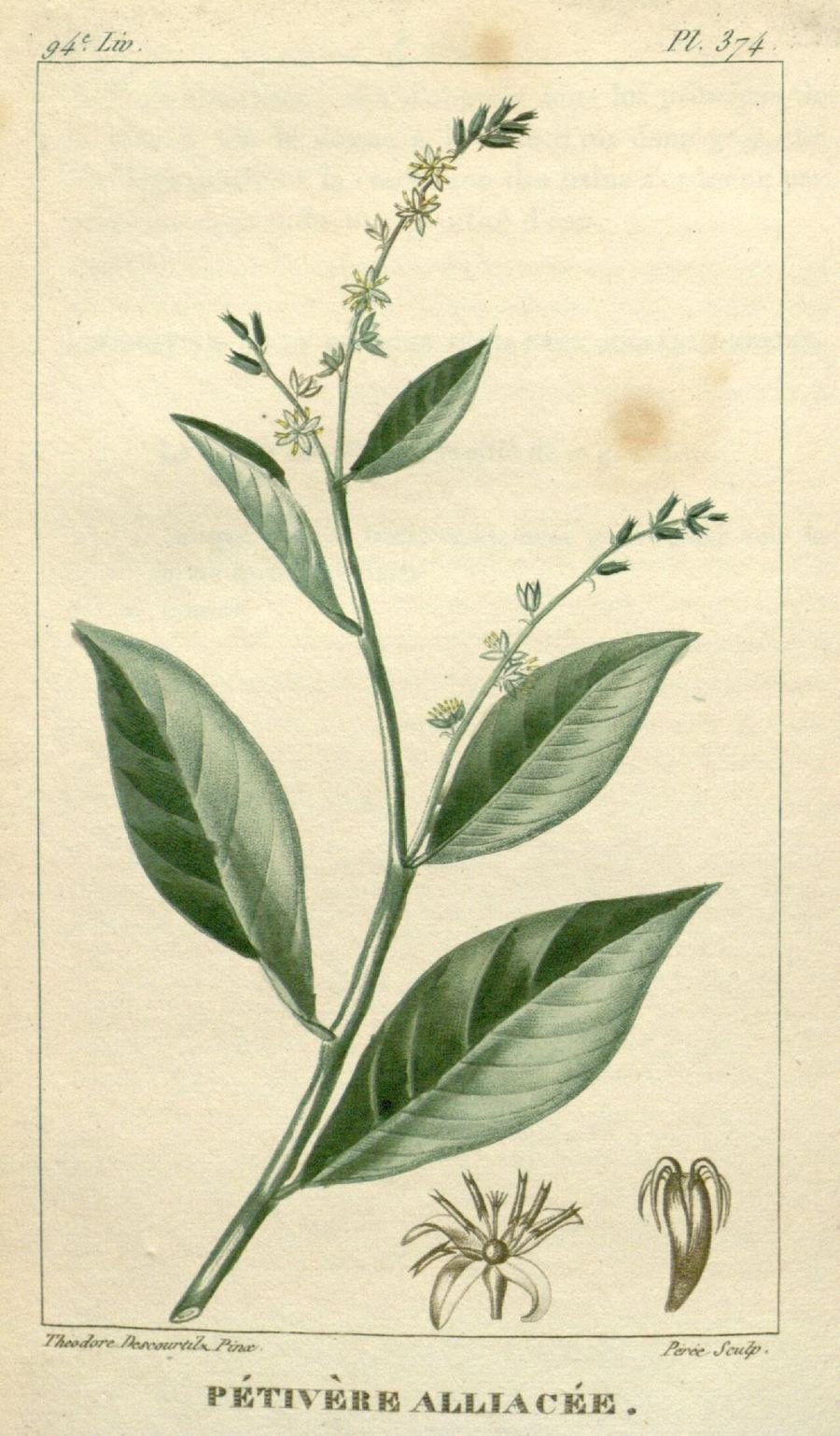
Guinea hen weed
Petiveria alliacea
Herbs & Roots. Dr. Sebi's list, Caribbean and Latin American & Amazon.
Also called Anamu, Gully root, Mapurite, Guinea hen weed
Spanish: Anamú
Used to end pregnanciesA garlic-smelling weed of the Caribbean and Latin America, used in folk teas and baths.
Did you know? The species name alliacea means garlic-like, because the whole plant smells strongly of garlic and onion.
What it may help, and how strong the proof is
- Pain & headaches. Used in folk teas and baths for pain. No human trials were found.Traditional proof
- Infections. Lab tests show some activity against bacteria and fungi. No good human trials exist.Traditional proof
- Women's health. Use to end pregnancy is unproven and dangerous.Not supported
Parts of the body
Traditional use
Across the Caribbean and Latin America, it is brewed into teas and added to baths for pain, fever and skin problems. Cuban herbalists have also used it to end pregnancies.
How it is classified
- Herbal actions
- Analgesic, Antimicrobial. Energy: neutral.
How people take it
Leaves and roots are boiled into a tea or added to a bath. No tested safe dose exists.
Tea and bath.
Where to get it
Grows wild across tropical America and the Caribbean, often as a roadside weed. Sold dried as cut herb or in capsules online, and quality varies.
Be careful
Avoid in pregnancy, since the plant has been used to end pregnancies. Its sulfur compounds are insecticidal, so large doses may harm animals. Human safety data are missing.
Avoid if: pregnancy; breastfeeding.
Mixing with other things
No specific mixing notes on file. That doesn't prove it's safe with everything; ask a pharmacist about your full list.
The honest take
Anamu has real lab activity, but almost no human testing. Its use for pain and infection is folk tradition. The strongest warning is pregnancy, because the plant has been used to end pregnancies.