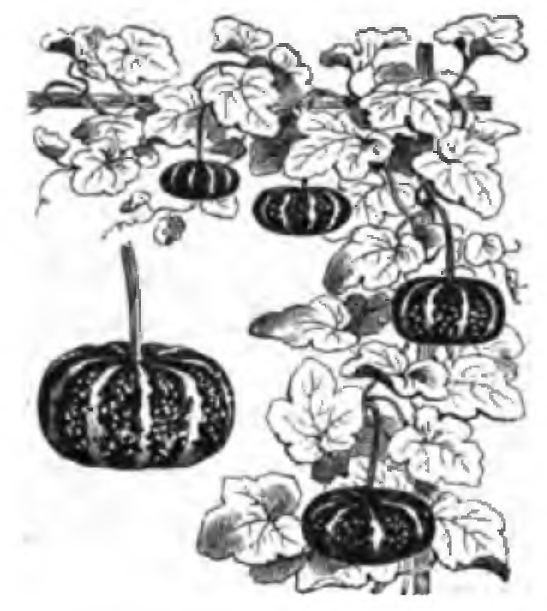
Pumpkin seeds
Cucurbita pepo · 南瓜子
Seeds & Grains. Native American, Modern nutrition and Chinese Medicine.
Also called Pepitas, Squash seeds, Nan gua zi
Pinyin: Nán Guā Zǐ
Spanish: Pepita (semilla de calabaza)
Green hulled seeds of pumpkin and squash, eaten as snacks and rich in magnesium, zinc and iron.
Did you know? Squash and pumpkins were among the first plants domesticated in the Americas, about 10,000 years ago.
What it may help, and how strong the proof is
- Men's health. Some small trials of pumpkin seed oil show better urinary symptoms in men with an enlarged prostate. Results are small and mixed.Early proof
- Parasites & worms. Used in folk and Chinese medicine for tapeworm. A seed compound called cucurbitin was tested in a few older human studies. Proof is limited.Traditional proof
Parts of the body
Traditional use
Native American peoples ate pumpkin seeds and used them in folk care to expel worms. In Chinese medicine, nan gua zi is used to expel intestinal worms, mainly tapeworm.
How it is classified
- Herbal actions
- Anti-parasite, Nutritive. Energy: neutral.
- Chinese medicine
- 南瓜子 Expel parasites. Nature: neutral. Flavour: sweet. Enters the Stomach and Large Intestine channels.
How people take it
Eat a small handful, about 1 ounce (28 grams), as a snack. Prostate trials used pumpkin seed oil daily for months, and doses varied.
Food and oil.
Where to get it
Grown in warm regions worldwide. Sold raw, roasted, salted, shelled and as oil. Pumpkin seed oil is a dark, nutty oil.
Be careful
Safe as food, but salted and roasted seeds are high in sodium and calories, and large amounts may upset the stomach. Pumpkin seed is not a proven treatment for worms, so see a doctor for a worm infection.
Mixing with other things
- Works well together
Pumpkin seeds are a food source of zinc and magnesium.
The honest take
Pumpkin seeds are a healthy snack. The worm and prostate claims rest on old folk use and small, mixed trials. Seed oil for urinary symptoms is the best studied use.