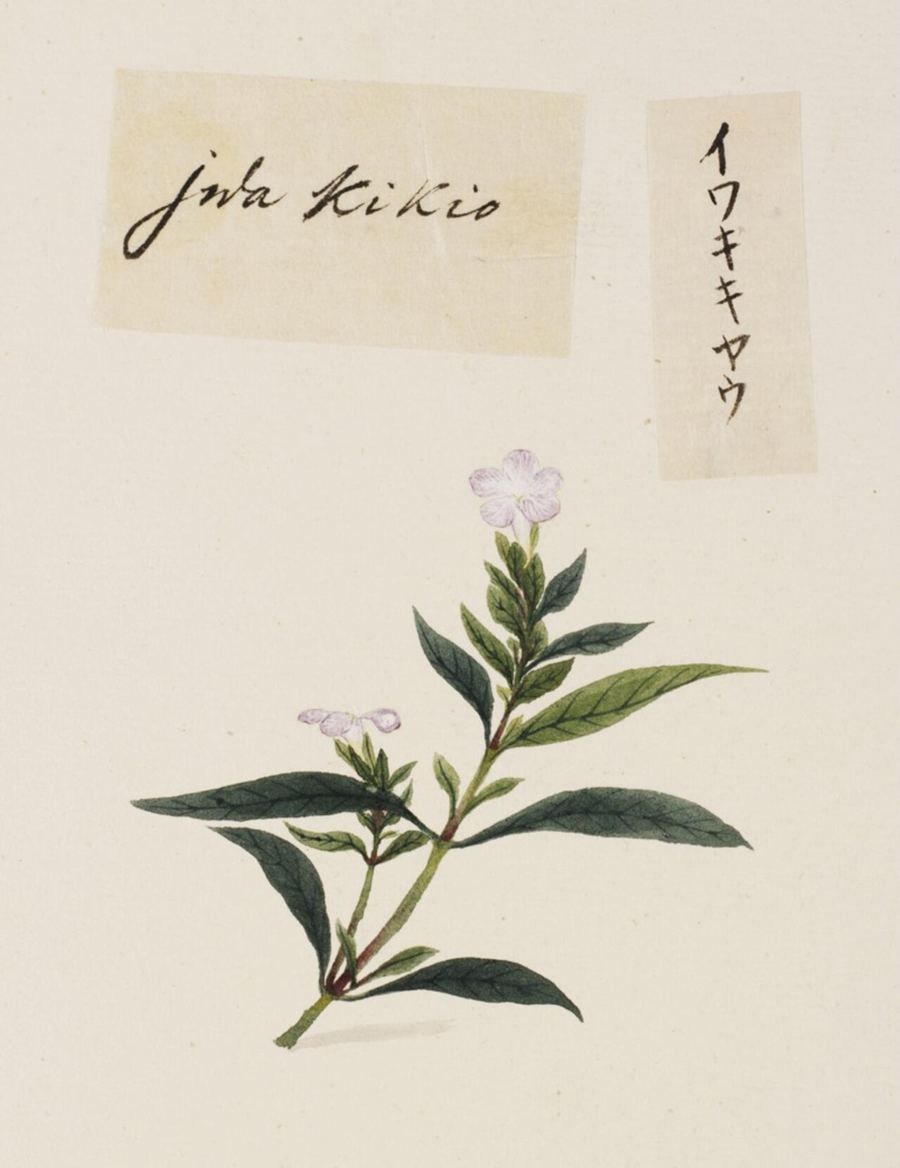
Platycodon (jie geng)
Platycodon grandiflorus · 桔梗
Herbs & Roots. Chinese Medicine.
Also called Jie geng, Balloon flower root, Chinese bellflower
Pinyin: Jié Gěng
A root from a blue-flowered plant, used in Chinese medicine for cough and sore throat, and eaten as a vegetable in Korea.
Did you know? Its flower buds puff up like little balloons before they open, which gives the plant its common name, balloon flower.
What it may help, and how strong the proof is
- Breathing & asthma. Used to loosen phlegm and ease cough. Human trials are lacking; the evidence is mostly tradition and lab work.Traditional proof
- Sore throat & cough. Used for sore throat in tradition and Korean food. Human proof is limited.Traditional proof
Parts of the body
Traditional use
Chinese medicine uses jie geng to open the chest, loosen phlegm, and ease sore throat. In Korea, the root is eaten as a vegetable called doraji.
How it is classified
- Herbal actions
- Expectorant, Demulcent. Energy: neutral.
- Chinese medicine
- 桔梗 Transform phlegm & stop cough. Nature: neutral. Flavour: bitter, pungent. Enters the Lung channel.
How people take it
Traditional decoctions use about 3 to 9 grams of dried root. In Korea, the fresh root is eaten as a side dish.
Tea, decoction, powder and food.
Where to get it
Grown in China, Korea, and Japan. Sold as dried root slices, powder, tea, and in cough products. Fresh roots are sold in Korean markets.
Be careful
Generally low risk in food amounts. Large medicinal doses are not well studied. Ask a clinician before use in pregnancy.
Avoid if: pregnancy.
Mixing with other things
- Works well together
Also in Yin Qiao San, where platycodon eases cough and sore throat.
- Works well together
Often combined in cough formulas to loosen phlegm and soothe the throat.
- Works well together
Both are used together in cough blends that loosen phlegm.
Found in these formulas
Honeysuckle & Forsythia (TCM)
The honest take
Platycodon is used for cough and sore throat, and it is also a food in Korea. Most of the proof is tradition and lab work, and human trials are few. It is low risk in food amounts.