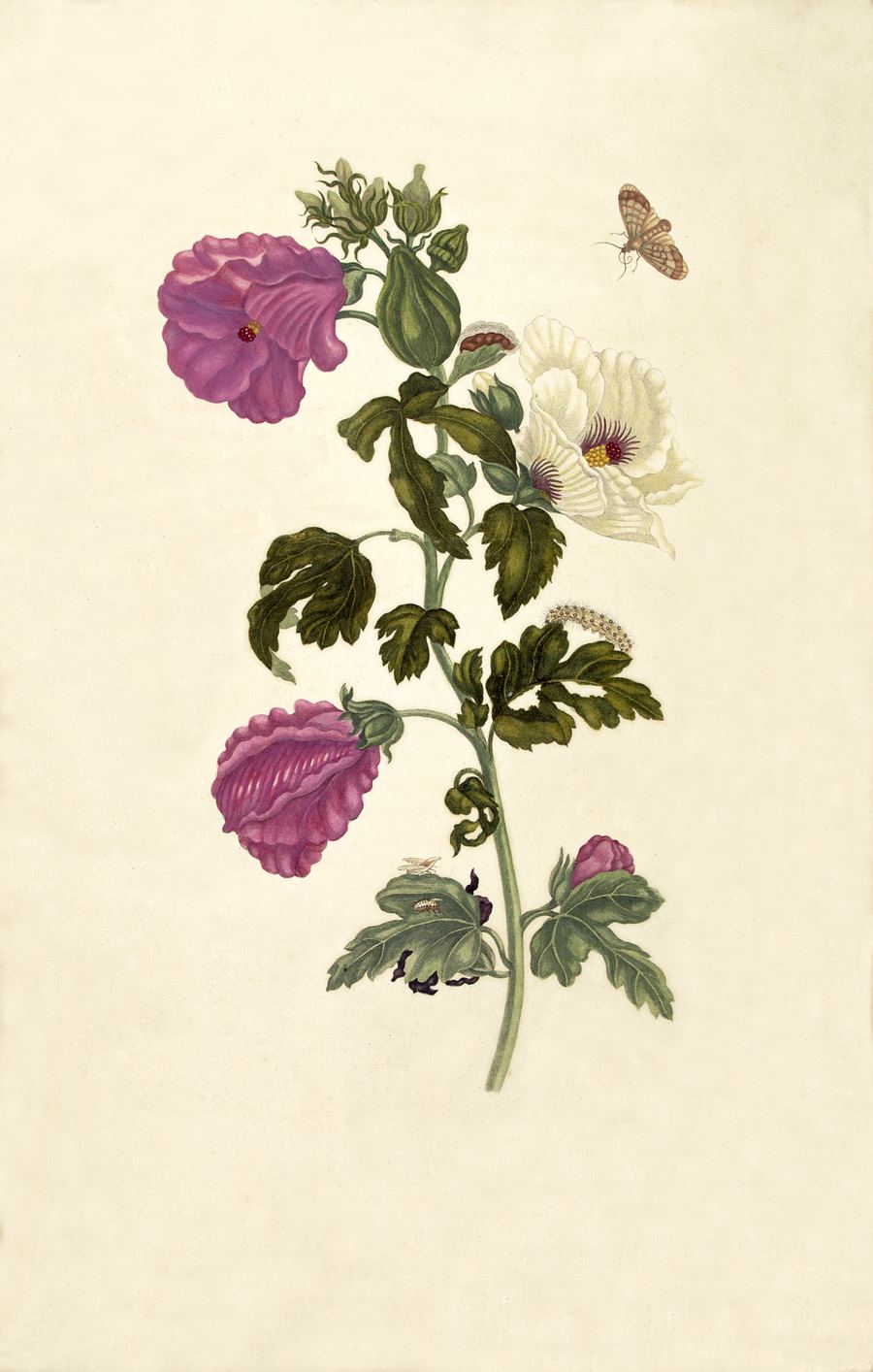
Okra
Abelmoschus esculentus
Vegetables. African, Modern nutrition and Dr. Sebi's list.
Also called Lady's fingers, Gumbo, Bhindi
Pinyin: Qiū Kuí
Spanish: Quimbombó
A green pod vegetable that turns slimy when cooked, because of a soluble fiber called mucilage.
Did you know? Okra is in the mallow family, Malvaceae, which also includes cotton. Its seeds were once roasted as a coffee substitute.
What it may help, and how strong the proof is
- Digestion & gut health. The slimy fiber in okra may ease constipation. Human studies on okra itself are few.Traditional proof
- Blood sugar. Early studies suggest okra may lower blood sugar a little. Proof is weak.Traditional proof
Parts of the body
Traditional use
In West Africa, okra mucilage thickens soups and stews. Folk uses include soothing the gut and skin, but proof is limited.
How it is classified
How people take it
Cook whole or sliced in stews and stir-fries, or roast the pods. No dose is proven for any health goal.
Food and powder.
Where to get it
Grown in warm regions, including West Africa, India, the Caribbean and the US South. Sold fresh and frozen.
Be careful
Safe as food, though okra is high in oxalate, so large amounts can add to kidney stone risk. The fine hairs on raw pods can itch the skin. Okra is also high in vitamin K, so people on warfarin should keep intake steady.
Avoid if: kidney stones.
Mixing with other things
- Works well together
Okra and tomato are a classic stew pairing in West African and Southern US cooking.
- Worth knowingDiabetes medicine (metformin, insulin, glipizide, Ozempic)
Okra may lower blood sugar a little. Watch levels if you take diabetes medicines.
The honest take
Okra is a good food with fiber. Its blood sugar claims rest on early studies. It is on some Dr. Sebi food lists, but no good research shows it helps any disease.