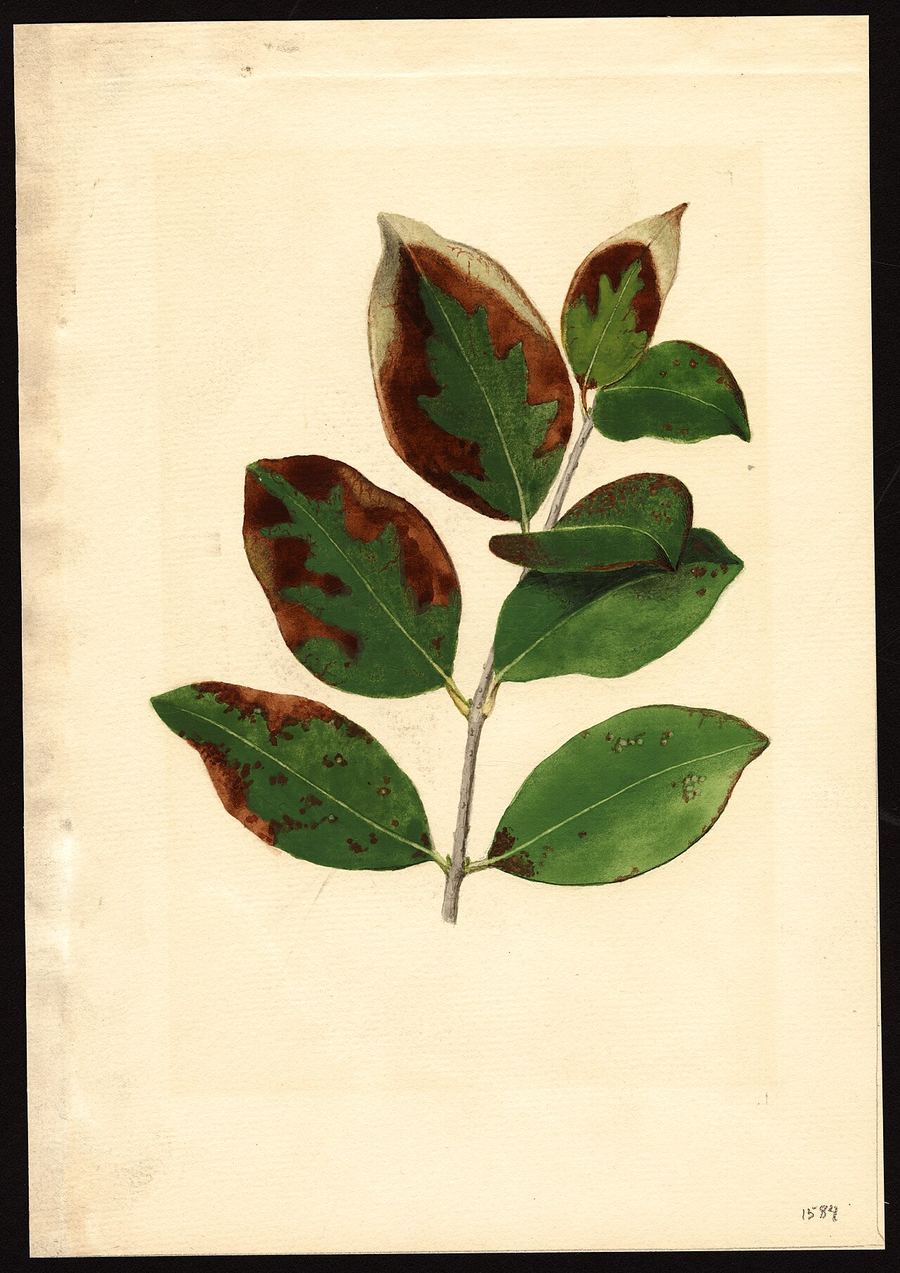
Ligustrum fruit
Ligustrum lucidum · 女贞子
Herbs & Roots. Chinese Medicine.
Also called Nu zhen zi, Glossy privet, Privet fruit
Pinyin: Nǚ Zhēn Zǐ
Little human researchThe dark fruit of a glossy privet tree. Chinese medicine uses it as a tonic for hair, eyes and Liver and Kidney yin (cooling fluids).
Did you know? Glossy privet is a common hedge plant in China, yet its dark fruit has been used as a tonic for centuries.
What it may help, and how strong the proof is
- Hair & nails. Traditional use for graying hair. Lab and animal studies only.Traditional proof
- Liver. Lab and animal studies suggest liver-protective effects. No good human trials.Traditional proof
- Colds, flu & immunity. Lab studies show immune-related activity. No good human trials.Traditional proof
Parts of the body
Traditional use
Traditional Chinese Medicine uses nu zhen zi to nourish Liver and Kidney yin, support dark hair and good eyesight, and ease dizziness and night sweats. It is one of the two herbs in Er Zi Wan (Two Ripe Pills).
How it is classified
- Herbal actions
- Tonic, Nutritive, Antioxidant. Energy: cooling.
- Chinese medicine
- 女贞子 Tonify yin. Nature: cool. Flavour: sweet, bitter. Enters the Liver and Kidney channels.
How people take it
Traditional decoctions often use 6 to 12 g of dried fruit. Supplement doses vary. No good human dose studies exist.
Decoction, tea, powder and capsule.
Where to get it
Grows in China, Korea and Japan. Sold as dried fruit, powder, capsules, and in tea and formula blends. Check the botanical name on the label.
Be careful
Usually mild. Stomach upset is possible. Allergy is uncommon. Its safety in pregnancy has not been studied well.
Avoid if: pregnancy; breastfeeding.
Mixing with other things
- Works well together
Nu zhen zi and han lian cao (eclipta, bhringraj) are the two herbs in Er Zi Wan (Two Ripe Pills), a classic formula for Liver and Kidney yin.
- Works well together
Nu zhen zi and goji are both used for Liver and Kidney yin in traditional tonic blends.
The honest take
Nu zhen zi is a traditional tonic for hair, eyes and yin, with almost no good human research. Its claims come mostly from lab and animal work. It is low risk for many people, but it has not been studied well in pregnancy.