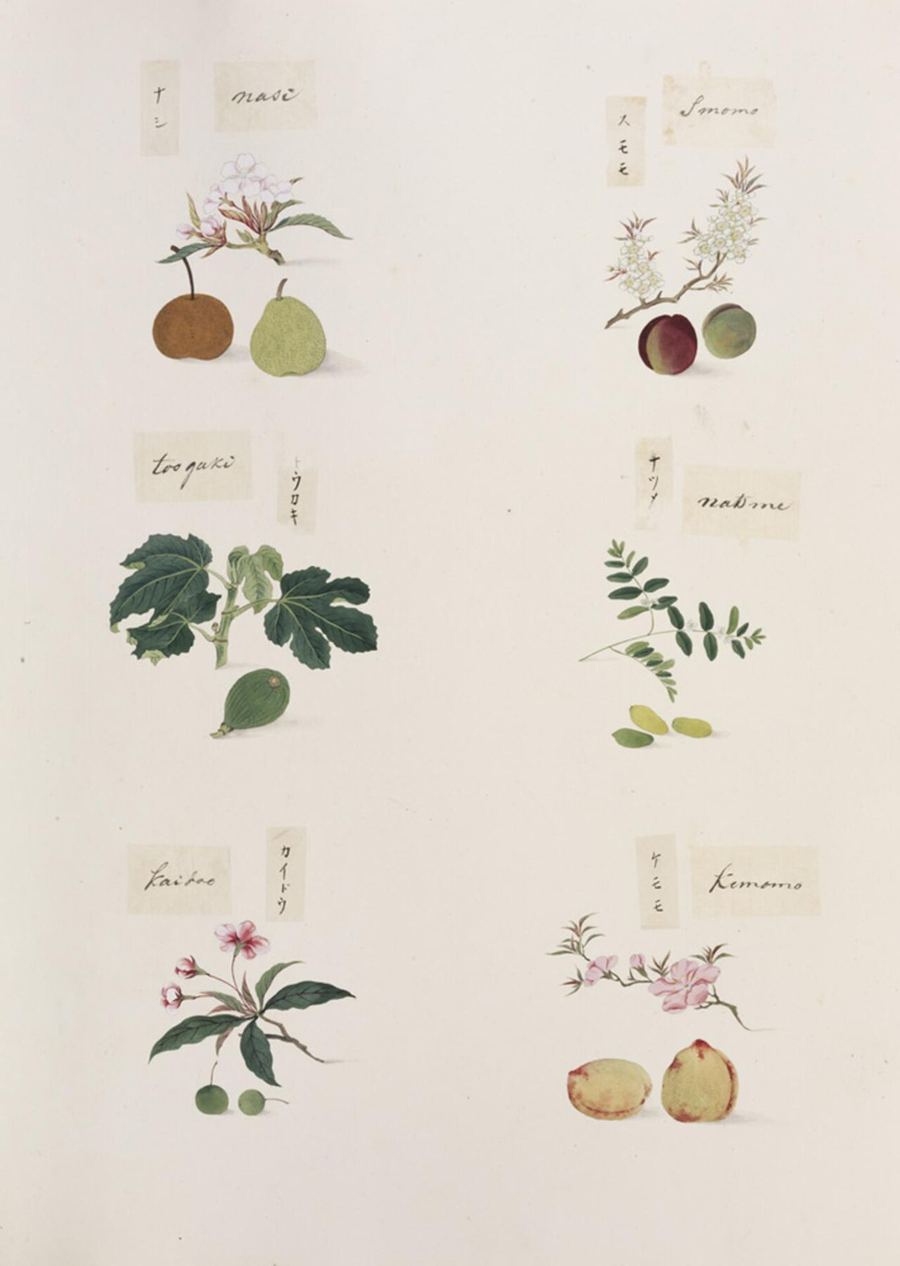
Jujube
Ziziphus jujuba · 大枣
Fruits. Chinese Medicine.
Also called Da zao, Chinese date, Red date, Korean jujube
Pinyin: Dà Zǎo
Spanish: Azufaifo
A sweet dried date from China. People eat it as food, and Chinese medicine uses it to build energy and calm the spirit.
Did you know? Jujube has been grown in China for thousands of years, and dried dates are a common ingredient in Chinese soups and sweets.
What it may help, and how strong the proof is
- Sleep. Traditional use for restlessness and poor sleep. Human trials mostly test the seed, not the fruit.Traditional proof
- Energy & tiredness. Traditional use for tiredness. The fruit's value here is mainly as food.Traditional proof
- Digestion & gut health. Traditional use to support the stomach. No good human trials.Traditional proof
Parts of the body
Brain & mind, Energy & metabolism, Gut & intestines, Stomach
Traditional use
Traditional Chinese Medicine uses da zao to build Qi (vital energy) and blood, support digestion and calm the spirit. It is a common ingredient in soups and in Gan Mai Da Zao Tang (Licorice, Wheat and Jujube Decoction).
How it is classified
How people take it
Eaten dried as a snack or simmered in soups and teas, in normal food amounts. No medical dose studies exist for the fruit.
Food, decoction, tea and powder.
Where to get it
Grown in northern China and elsewhere in Asia. Sold dried whole, sliced, as a paste or in tea blends. Some dried dates are sulfured, so check labels if you are sensitive to sulfites.
Be careful
Safe as food for most people. Large amounts may cause loose stools or bloating. Dried dates are high in sugar, which matters for people with diabetes.
Avoid if: diabetes medicines; sulfite allergy.
Mixing with other things
- Works well together
Huang qi and jujube are both in Bu Zhong Yi Qi Tang, used to build Qi and support the stomach.
- Works well together
Jujube and licorice (gan cao) are paired in Gan Mai Da Zao Tang (Licorice, Wheat and Jujube Decoction), used in tradition for restlessness and low mood.
- Works well together
Huang jing and jujube are both common food tonics in Chinese soups and teas.
- Works well together
Paired with jujube in Wu Zhu Yu Tang to protect the stomach.
- Works well together
A common partner in the same sweet soups and desserts.
Found in these formulas
Restore the Spleen (TCM)
The honest take
Jujube is a food with real nutrients, mainly sugar, fiber and some vitamin C. Its medicinal claims for sleep, energy and digestion are traditional. Research mostly tests the seed, so the fruit's medical benefits are unproven.