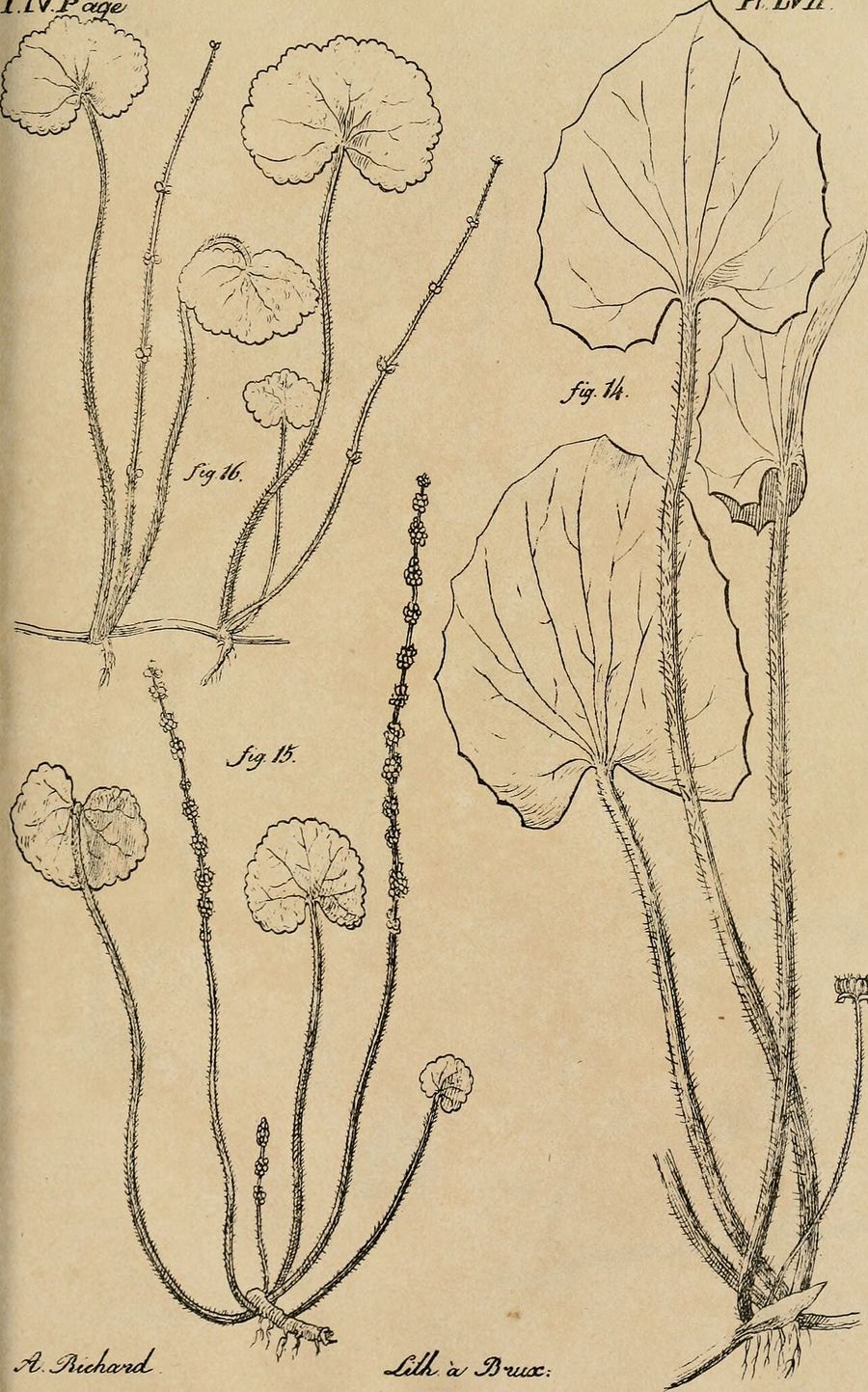
Gotu kola
Centella asiatica · 积雪草
Herbs & Roots. Ayurveda and Chinese Medicine.
Also called Mandukaparni, Indian pennywort, Centella, Asiatic pennywort
Pinyin: Jī Xuě Cǎo
Spanish: Centella asiática
Sanskrit: मण्डूकपर्णी (Mandukaparni)
Avoid with liver diseaseGotu kola is a low, creeping herb of Asia that is used on wounds and skin, and in Ayurveda as a memory herb.
Did you know? In Sri Lanka, fresh gotu kola leaves are chopped into a dish called gotukola sambol, which is eaten as a salad.
What it may help, and how strong the proof is
- Wounds, burns & bites. Creams and extracts used on the skin sped healing in some small studies, and scars looked better in some. Results vary and the trials are small.Early proof
- Memory & focus. Traditional memory herb. Most evidence comes from animal and lab studies, with few human trials.Traditional proof
- Stress & anxiety. Traditionally used to calm nerves. Good human trials are lacking.Traditional proof
Parts of the body
Traditional use
In Ayurveda, gotu kola (mandukaparni) is a medhya rasayana used for memory and long life. Traditional healers in Asia also put the leaves on wounds, skin and swelling.
How it is classified
- Herbal actions
- Vulnerary, Nervine, Antioxidant, Anti-inflammatory. Energy: cooling.
- Ayurveda
- Tridoshic: balances all three doshas. Taste (rasa): bitter, astringent. Energy (virya): cooling. After digestion (vipaka): sweet. Medhya (brain tonic), Rasayana (rejuvenative).
- Chinese medicine
- 积雪草 Clear heat. Nature: cold. Flavour: bitter, pungent. Enters the Liver, Spleen and Kidney channels.
How people take it
For wounds and scars, studies used creams or gels applied to the skin. Oral use is mostly traditional, as tea or capsules, and doses in trials vary.
Tea, capsule and topical.
Where to get it
Grows in wet, shady places across Asia, Africa, Madagascar and the Pacific. Sold as dried leaf, tea, capsules, extracts and creams, and labels often list asiaticoside or madecassoside.
Be careful
Usually well tolerated in small amounts. Some people get stomach upset, headache or itching. It is not well studied in pregnancy, breastfeeding or young children, and people with liver disease should avoid it until more is known.
Avoid if: pregnancy; breastfeeding; liver disease.
Mixing with other things
- Works well together
Both are classic medhya herbs in Ayurveda and are often grouped together for memory.
- Works well together
Both are used in salves for minor cuts, scrapes and skin irritation.
- Works well together
Centella (gotu kola) extracts are also used for weak veins. Evidence is limited for both.
- Works well together
Both are used for weak veins in some European products. Proof is limited.
- Worth knowingSleep or anxiety medicine (Ambien, Xanax, Ativan)
May add mild sleepiness to sedative medicines. Human data are limited.
- Worth knowingBlood thinners (warfarin, Eliquis, Xarelto, Plavix, daily aspirin)
Lab studies suggest it may affect clotting. Ask a doctor if you take blood thinners.
The honest take
Topical centella has the best human support, mostly for wound and scar healing, and the results are mixed. Oral gotu kola for memory and anxiety rests mostly on tradition and animal studies. Ask a doctor first if you are pregnant, have liver disease, or take sedatives or blood thinners.